What if a long turf warranty still leaves you paying for the problem you’re trying to avoid? Having artificial turf warranty explained clearly means looking beyond the number of years on the page. Product coverage and installation workmanship are often handled separately, and exclusions for fading, normal wear, reflected heat, or damage can shape what’s actually protected.
In South Florida, it’s reasonable to ask how sun, rain, and everyday use may affect coverage. The answer depends on the exact warranty terms, the turf’s intended use, and how the project is designed and installed. A residential lawn, pet area, playground, and putting green face different demands, so the same expectations may not fit every application.
This guide explains the main warranty categories, how to compare coverage periods and exclusions, and which documents and care records to keep. You’ll also learn how site preparation, drainage, and installation scope relate to long-term expectations. With those details in view, you can make a more informed choice and understand what a warranty does, and doesn’t, promise.
Key Takeaways
- Get artificial turf warranty explained in writing, then compare actual coverage and exclusions rather than relying on the stated term alone.
- Separate product documents from installation terms so you can see which parts of the project each document addresses.
- Review how the written terms address South Florida heat, UV exposure, heavy rain, and drainage for your intended use.
- Before installation, note warranty dates, care instructions, and claim steps. Keep the contract, product information, installation records, and dated site photographs together.
- Set realistic performance expectations by matching the project scope and site preparation to the surface’s use, whether it’s a lawn, pet area, putting green, or commercial space.
Artificial turf warranty explained: what a warranty is designed to cover
An artificial turf warranty is a written description of specified coverage, conditions, and exclusions for a product or installation. It isn’t a blanket promise that every surface will look or perform the same for a set period. As the overview of What is a Warranty? explains, warranty terms set boundaries around the promises being made. For turf, those boundaries depend on the documents tied to the project.
Product materials, installation terms, project scope, and the contract can each affect what is covered and how a concern is handled. A warranty’s duration is also different from a product’s expected lifespan. A turf surface may remain in use after its written coverage ends, while its appearance and performance can change with the product, installation, care, and use. Neither a lifespan estimate nor a warranty term guarantees identical results in every setting.
What does artificial turf material coverage usually address?
A product warranty may address specified manufacturing defects, but the written terms determine how a defect is defined and what remedy applies. Turf products can differ in color, fiber construction, backing, and stated performance characteristics, so don’t assume coverage for one product applies to another.
Read the warranty alongside the product information and identify the parts or properties it names. For example, check whether the language refers to the turf’s fibers, backing, color, or another specific feature. These are areas to review, not promises that a warranty covers them. The actual document controls, including any conditions that must be met for coverage to apply.
- Look for the covered product and components by name or description.
- Note how the document defines a covered defect or performance issue.
- Mark any stated conditions, limits, and exclusions.
How is product coverage different from installation workmanship?
Product terms and installation terms may come from different parties. A manufacturer’s document generally addresses the product as defined in its terms. An installer’s workmanship coverage, when provided in writing, addresses specified issues related to the installation process. These aren’t interchangeable. A concern with the material and a concern with how the surface was installed may follow different review and claim routes.
For a South Florida project, keep a complete project file that distinguishes the work from the product coverage. Custom design, site preparation, drainage planning, and construction establish the work being performed, but they don’t automatically determine warranty coverage. The written scope and warranty documents do. Make sure the scope states what the installation includes, and read any workmanship terms to understand which issues they address.
Before signing, locate the responsible party and instructions for each type of concern. Your documents should make it possible to identify:
- Which document applies to the turf product and which applies to installation work.
- Who receives a claim and what information or records are required.
- What project areas and work are included in the stated scope.
This is the practical starting point for having artificial turf warranty explained in a way that fits your project. A broad label or a single duration doesn’t tell you which specific materials or work are covered.
Compare artificial turf warranty terms, durations, and responsibilities
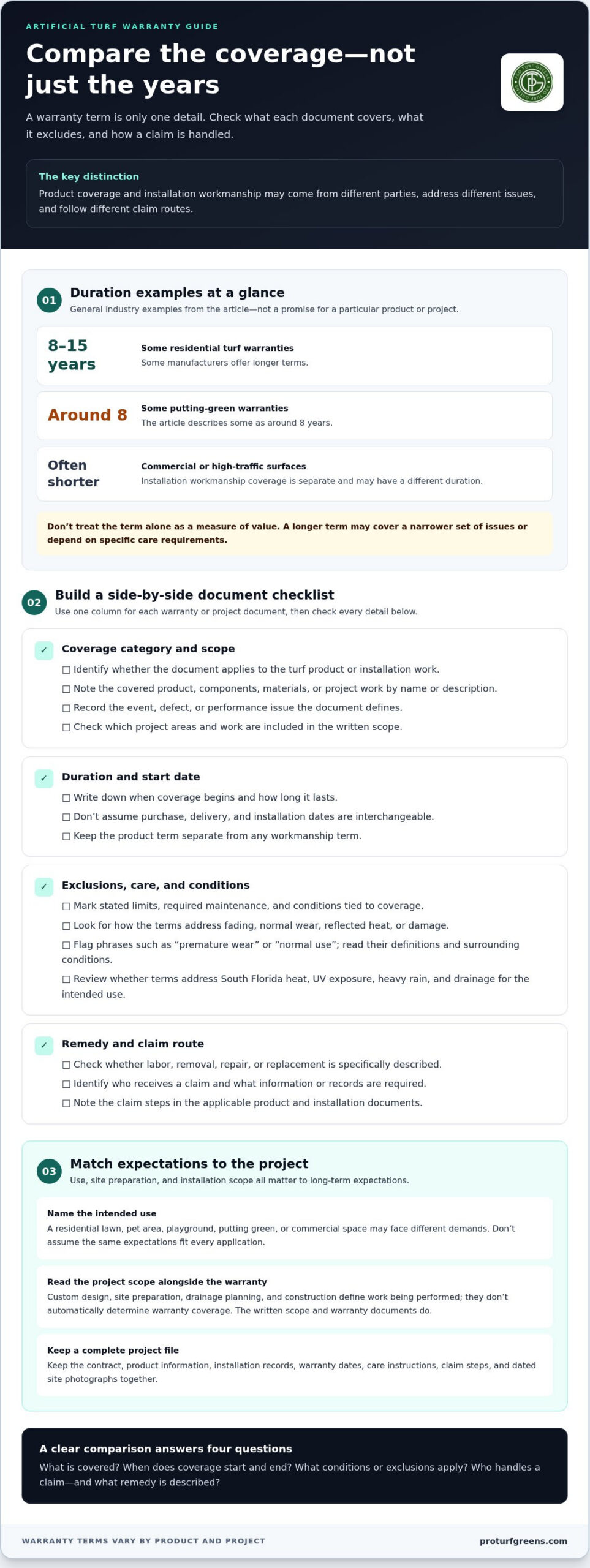
A useful comparison goes beyond the number of years printed on a warranty. Some residential turf warranties commonly fall in the 8-to-15-year range, while some manufacturers offer longer terms. Commercial or high-traffic surfaces often have shorter terms, and some putting-green warranties are around 8 years. Installation workmanship coverage is separate and may have a different duration. These are general industry examples, not a promise of coverage for any particular turf or project.
Compare the covered event and conditions, not duration alone. A longer term may apply to a narrow set of issues or depend on specific care requirements. A shorter warranty may explain its coverage and claim steps more clearly. Read the actual documents before treating either term as a measure of overall value.
Which warranty details should readers compare side by side?
Build a comparison table with one column for each document and a row for each detail below. Recording the terms together makes differences easier to spot and unclear wording easier to revisit.
- Coverage category: Identify the materials or installation work included, and the event or defect described.
- Duration and start date: Note when coverage begins and how long it lasts. Don’t assume the purchase, delivery, and installation dates are interchangeable.
- Exclusions and care: Record stated limits, required maintenance, and any conditions tied to coverage.
- Remedy and claim route: Look for whether labor, removal, repair, or replacement is specifically described. Note who receives a claim and what records are required.
Terms such as “premature wear” or “normal use” can be open to interpretation. Flag them and read the surrounding language, including definitions and conditions, rather than assuming they guarantee a particular outcome.
How does intended turf use affect warranty expectations?
Foot traffic on a residential lawn, pet activity, playground use, sports, and repeated putting practice place different demands on a surface. The project’s intended activity and layout should align with the product and installation terms. Check whether the documents specifically address that application. Don’t infer that a warranty covers every use simply because the material is artificial turf.
For example, pet areas may involve repeated use in concentrated zones, while putting greens are designed around a distinct playing surface. A guide to artificial turf for dog runs offers additional context for thinking through pet-use conditions. Match your comparison notes to the actual project, not just a broad category such as “residential.”
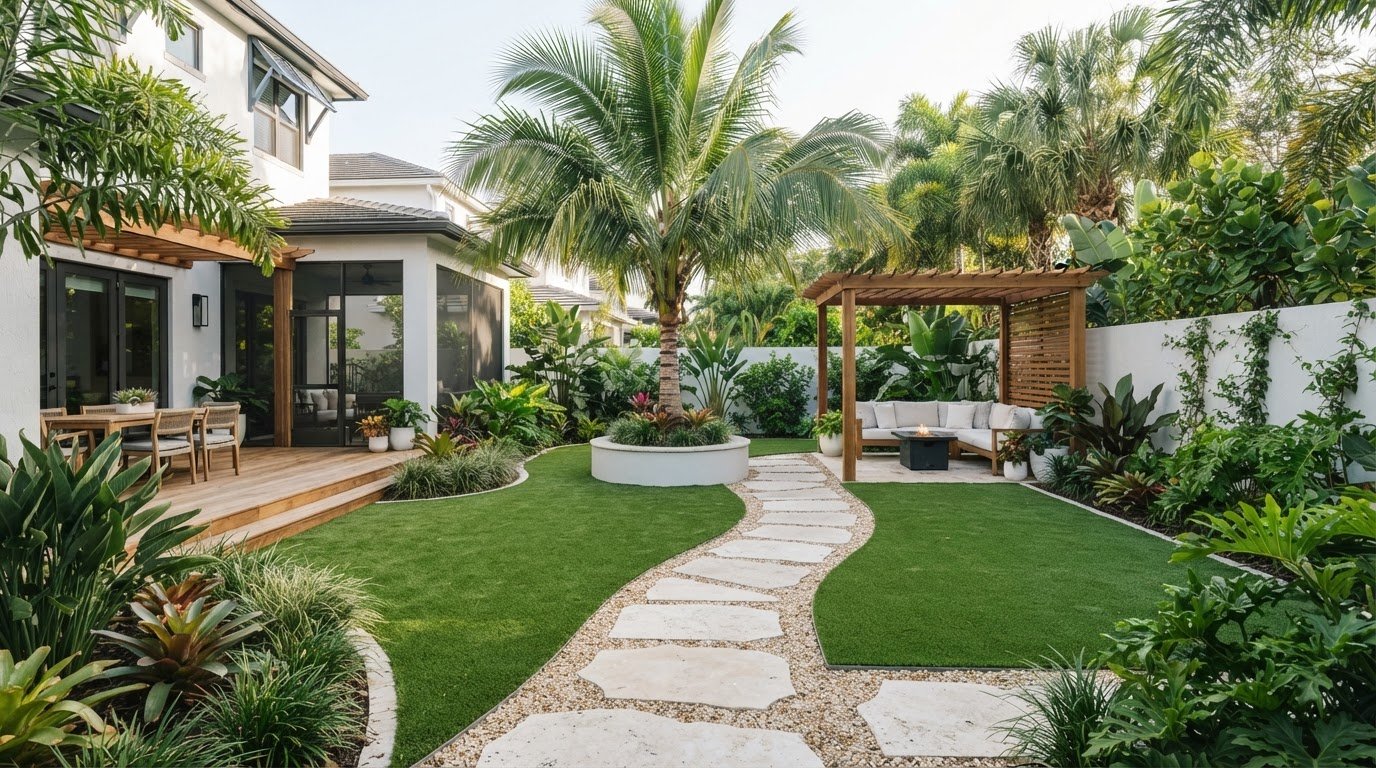
Clear project planning connects intended use, site layout, and installation scope with realistic performance expectations. Pro Turf Greens designs and installs artificial turf for residential and commercial properties across South Florida, tailoring project work to the site and application. Explore artificial turf design and installation as you consider how the project details align with the written terms.
What can limit an artificial turf warranty in South Florida?
South Florida conditions are part of the setting your turf will face, but they don’t automatically cancel or establish warranty coverage. Heat, strong UV exposure, heavy rain, and drainage performance are factors to review against the exact product and installation terms. A warranty may address a specific material defect while excluding a different kind of damage, or it may set conditions for care and use. The wording matters because exclusions aren’t universal across products or projects.
A warranty also isn’t a promise to cover every change in appearance, repair, or performance concern. Normal aging and a covered defect, for example, may be treated differently in the written terms. Before drawing conclusions about a concern, identify what happened, which project component it involves, and the relevant coverage language. That is how artificial turf warranty explained becomes practical: evaluate the event and its conditions, not just the warranty label.
Can weather or drainage affect turf warranty coverage?
Outdoor turf experiences local weather, but exposure alone doesn’t establish whether a claim is covered. Review how the product terms describe UV exposure, heat-related changes, rain, and any limits tied to environmental conditions. Heavy rainfall also makes drainage and site preparation important to project performance. A well-defined project scope records the planned preparation and drainage approach, but it doesn’t create warranty protection unless the applicable written terms say so.
Separate two questions: does the document cover the specific material issue, and does it state conditions for installation or maintenance? South Florida’s climate is a reason to read those details closely, not a reason to assume coverage is either void or guaranteed.
Which use and maintenance exclusions deserve close attention?
Scan the documents for language about heat sources, chemicals, heavy objects, pet use, cleaning, and other maintenance requirements. These are review prompts, not universal exclusions. If a term refers to “misuse,” alterations, or unapproved maintenance, look for its definition and any stated effect on coverage. Don’t assume an action voids a warranty unless the applicable document says so.
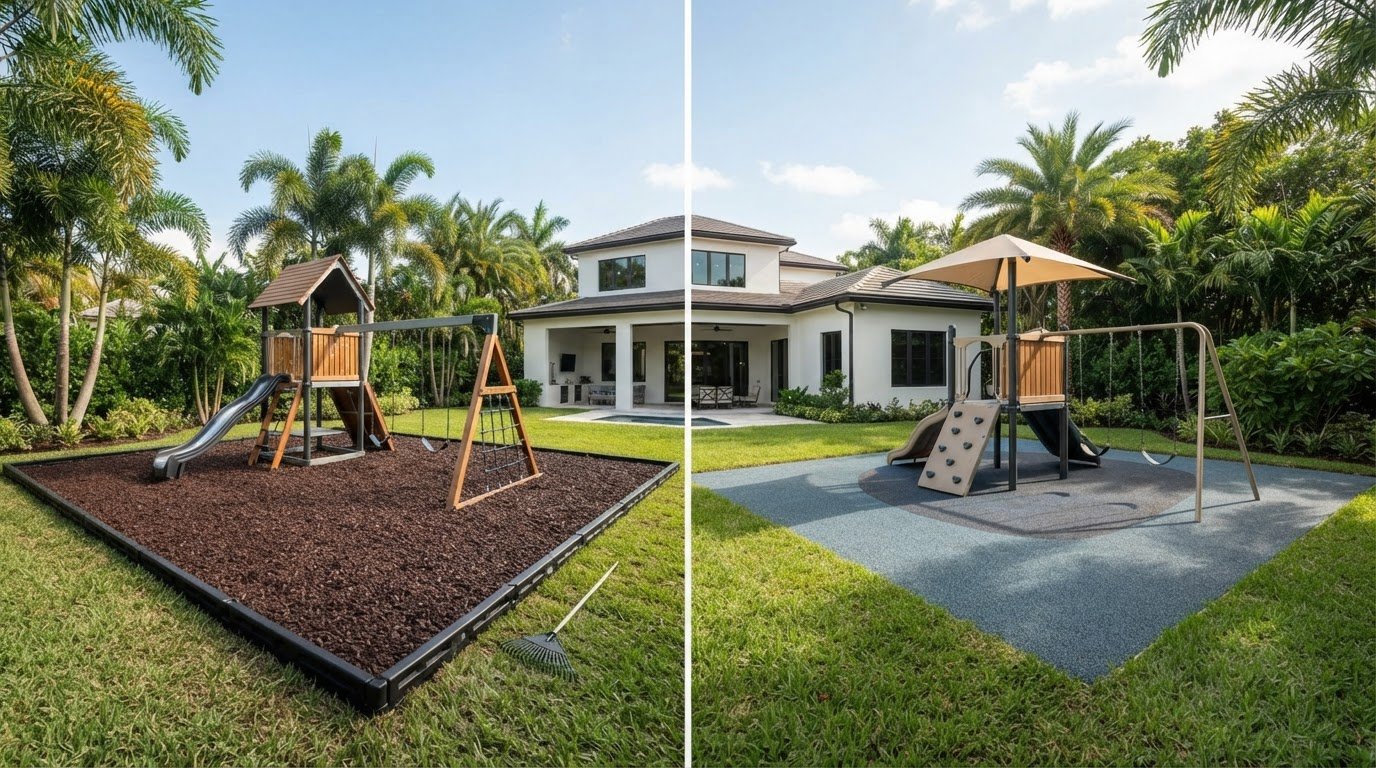
Use also shapes project expectations. A residential lawn, pet area, and playground have different activity patterns and design considerations. For playground settings, the Florida playground turf safety guide can provide context for reviewing use-specific project considerations. Compare the planned activity and site layout with the written terms rather than treating “residential use” as a complete description.
For a careful review, make a short record of the conditions named in the documents:
- Environmental factors addressed, such as sunlight, heat, or rain.
- Any stated drainage, installation, or site-preparation conditions.
- Use limits, maintenance instructions, and restrictions on alterations.
- The specific issue or remedy the warranty describes.
Keep that list with the project documents and note any language that needs clarification before installation. Clear design, site preparation, and installation planning help set realistic expectations for how the surface is intended to perform. The written warranty determines the coverage boundaries.
How to review an artificial turf warranty before installation
Review the paperwork before work begins, while the product choice and project scope are clear. A careful review helps you understand which documents apply, what conditions may affect coverage, and how to preserve useful records. In this artificial turf warranty explained checklist, focus on documents, scope, dates, exclusions, care requirements, and claim instructions.
Follow this sequence and note questions directly against the relevant document:
- Identify each document. Separate the signed project contract and scope from product information, manufacturer warranty text, installation terms, and care instructions. Check that you have the complete versions, not only a brochure or summary.
- Match the scope. Confirm that the documents describe the turf product and project areas being installed. Note what the installation includes, such as site preparation, so the written record reflects the planned work.
- Record the dates. Locate the installation date and the date coverage begins. If the documents use different starting points, record each one rather than assuming they match.
- Mark exclusions and conditions. Note stated limits, required care, and any conditions tied to use, maintenance, or alterations. Read definitions and surrounding language where a term seems broad.
- Find care instructions. Keep written maintenance guidance with the warranty. If care requirements are part of the terms, following and documenting them can help establish what was done if a question arises later.
- Locate claim instructions. Record the notice process, required information, and responsible party stated in the applicable document. Keep this information easy to find.
What documents and details should you keep?
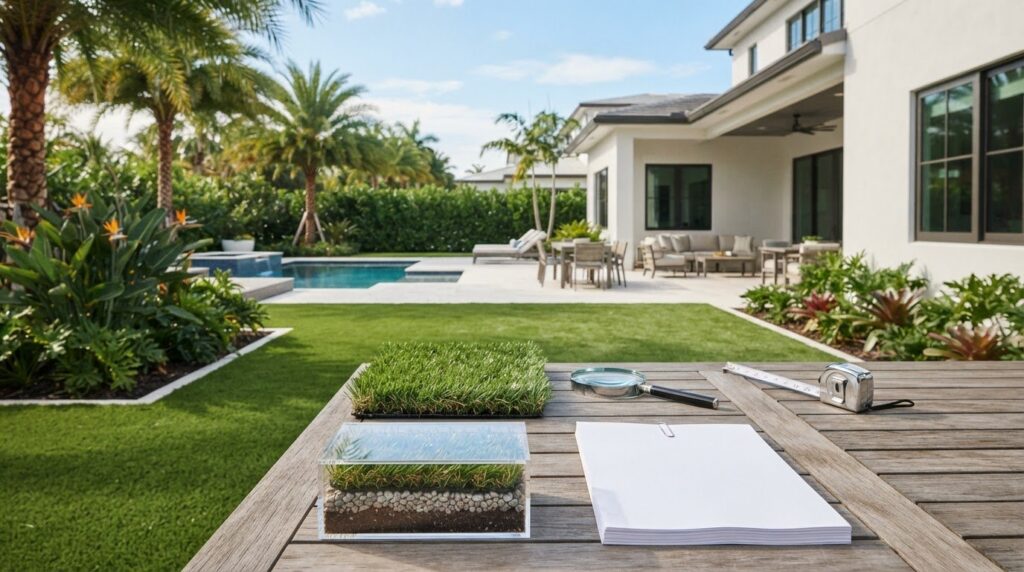
Keep a project file in one place, either digitally or on paper. Include the signed scope, product documentation, full warranty text, care instructions, installation records, relevant receipts, and written communications about the project. Record the installation date, too. Together, these materials can clarify what was selected, what work was completed, and which requirements apply.
Take clear, dated photographs of the completed area after installation. If a concern appears later, photograph it from a wide view that shows its location and a closer view that captures the visible condition. Preserve original files when possible so their dates remain available.
What should you do if a turf issue appears?
Document the location, what you can see, when you first noticed it, and any relevant maintenance history. Keep the notes factual and avoid trying to diagnose the cause from appearance alone. Compare the issue with the project records and written coverage terms, then follow the specified notice and claim instructions.
Don’t make an alteration or attempt a repair before reviewing the applicable terms, since the documents may set conditions for repair or inspection. Coverage depends on the written language and available evidence, so records support a clear review without guaranteeing a particular outcome. For a project with documented scope and site preparation, plan your artificial turf installation with those details clearly recorded from the start.
Choose a South Florida turf installation with clear project expectations
A well-planned turf project starts with a clear picture of how the surface will be used and what work the installation includes. Reviewing warranty terms is one part of that preparation; defining the project scope is another. The goal of having artificial turf warranty explained is not to expect every concern to be covered, but to understand how the written terms relate to the selected product, planned use, and installation work.
A residential lawn, pet area, playground, putting green, or commercial surface each serves a different purpose. Foot traffic, play, pet activity, and putting practice can shape the design and site preparation needed for the setting. Set expectations by matching the project plan to the intended use, then keep the written scope and warranty documents distinct.
How does installation scope support clearer expectations?
Design, site preparation, and professional construction define what the project is intended to deliver. Review the scope for the areas included and the work described, such as preparation and installation tasks. A backyard putting green, for instance, has a different layout and intended activity from a pet area or general lawn. A professional backyard putting green installation guide illustrates why specialized projects benefit from planning around their use.
A precise scope helps everyone understand the planned work, but it doesn’t replace or expand written warranty terms. Treat the scope, product documentation, and any installation coverage as related but separate records.
What is a useful next step for a turf project?
Before planning, write down the surface’s intended use, the site conditions you want addressed, and any questions about product or installation terms. Consider how the space will be used day to day, who will use it, and which project details should appear in the written scope. Bringing those priorities together makes it easier to set practical expectations without assuming that a warranty promises a particular result.
Pro Turf Greens designs and installs artificial turf for residential and commercial properties across South Florida, with project planning tailored to the site and application. A conversation about your goals can help shape the scope and surface design. If you’re considering a putting green, its intended play and layout are useful starting points. Lawns, pet areas, and recreational surfaces call for their own project priorities.
Gather your site details and questions, then discuss your South Florida turf project with Pro Turf Greens. A clear plan, defined scope, and careful review of the applicable written terms can help you move forward with realistic expectations and a surface designed around how you intend to use it.
Move forward with a plan built around your project
Use what you’ve learned to turn warranty questions into a practical project brief. Note how you want the space to function, which site conditions matter, and which written terms you want to understand before installation begins. That preparation keeps expectations grounded in the actual project rather than assumptions about what a warranty might cover. With artificial turf warranty explained in context, you can approach the next decision with greater clarity.
Pro Turf Greens brings custom turf design, site preparation, and professional construction together for residential and commercial projects across South Florida. Each project can be planned around its setting and intended use, giving you a clearer foundation for reviewing scope and product documents.
Ready to explore the possibilities for your property? Request a free consultation for your South Florida turf project and take the next step toward a carefully planned surface. Your goals can guide a thoughtful design from the outset.
Frequently Asked Questions
Can an artificial turf warranty be transferred to a new homeowner?
It can be transferable, but only if the applicable warranty terms allow it and any stated requirements are met. Look for a transfer clause, including any deadline, notification process, or documents the new owner must provide. Keep the original purchase and installation records with the property paperwork. If you’re buying a home in South Florida, review the actual warranty document rather than relying on a verbal description of remaining coverage.
Does an artificial turf warranty cover fading from sun exposure?
Sometimes, but coverage depends on the product’s written terms and how they define fading or UV-related change. The artificial turf warranty explained in your product documents should indicate whether color change is addressed, what conditions apply, and how a concern is evaluated. In South Florida, strong sun is a practical reason to read that language closely. Don’t assume that any visible fading qualifies as a covered defect.
Will a warranty cover damage caused by pets?
Not necessarily. Terms may distinguish between turf intended for pet use and damage caused by a particular activity, such as chewing or digging. Review whether the product information addresses pets, what care is required, and whether the warranty identifies any limits. For a pet area, match the documents to the way the space will actually be used. Coverage depends on the written terms and the circumstances of the damage.
Does artificial turf warranty coverage include labor and replacement?
Only if the applicable document describes those remedies. Product coverage may specify a remedy for a covered material issue, while installation terms may address particular workmanship concerns. Read the remedy language closely: it may distinguish between repair, replacement material, labor, or other costs. Don’t assume that approval of a claim means the entire surface will be removed and replaced. The written terms determine what remedy applies.
What records should I keep for an artificial turf warranty claim?
Keep the signed contract, product identification or order information, warranty documents, installation date, and written care instructions. If an issue appears, save dated photographs showing both the affected spot and its wider location, along with notes about when you noticed it and recent care. Retain relevant receipts and claim-related messages, too. For a South Florida property, a simple digital folder can keep records accessible even years after installation.
How is a turf warranty different from the turf’s expected lifespan?
A warranty describes a defined period and conditions for specified coverage; expected lifespan refers to how long the surface may remain serviceable under particular use and care. One doesn’t establish the other. Turf can remain in use after warranty coverage ends, and a stated lifespan doesn’t promise a specific appearance or remedy. Consider both as separate planning details, and avoid treating a warranty’s end date as a prediction that the turf must be replaced.
Are commercial artificial turf warranties different from residential ones?
They can be. Commercial surfaces may experience different traffic patterns and activities from a private lawn, so terms may reflect the product’s intended application and use conditions. Compare the documents for the actual project rather than assuming a residential warranty applies to a commercial setting. For projects in Fort Lauderdale, Miami, Palm Beach, Boca Raton, Delray Beach, Jupiter, Palm Beach Gardens, Weston, or Coral Gables, match the written terms to the surface’s planned use.