Taller artificial grass can look fuller, but that doesn’t automatically make it the better choice. If you’re asking, “what is the best pile height for artificial grass,” start with how the space will be used, not simply how lush you want it to look.
It’s easy to focus on pile height when comparing turf specifications, especially when a longer blade seems softer and more natural. But height is only part of the picture: traffic, comfort, maintenance, face weight, and blade shape also influence how a turf surface looks and performs over time.
This guide explains what pile height measures and how short, medium, and long options can suit different applications, from putting greens and pet areas to lawns and play spaces. You’ll also learn which project details matter when comparing turf, so you can choose with greater confidence. Pro Turf Greens designs and installs artificial turf for residential and commercial projects across South Florida, tailoring each surface to its intended use.
Key Takeaways
- Pile height measures turf fibers from the backing to their tips, but height alone doesn’t determine quality.
- To answer “what is the best pile height for artificial grass,” consider the space’s purpose, activity level, and desired appearance.
- Compare lawns, pet areas, putting greens, and play or sports spaces by their distinct performance priorities.
- Use a simple site assessment to weigh foot traffic, sun exposure, rain management, and turf specifications.
- Pro Turf Greens tailors artificial turf design for South Florida residential and commercial projects based on site conditions and intended use.
What Artificial Grass Pile Height Measures, and Why It Matters
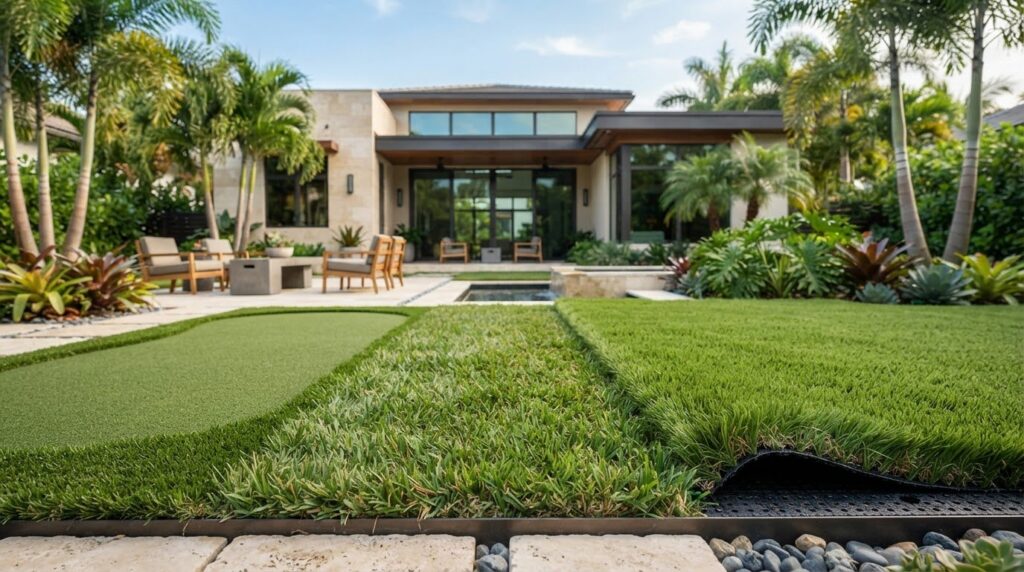
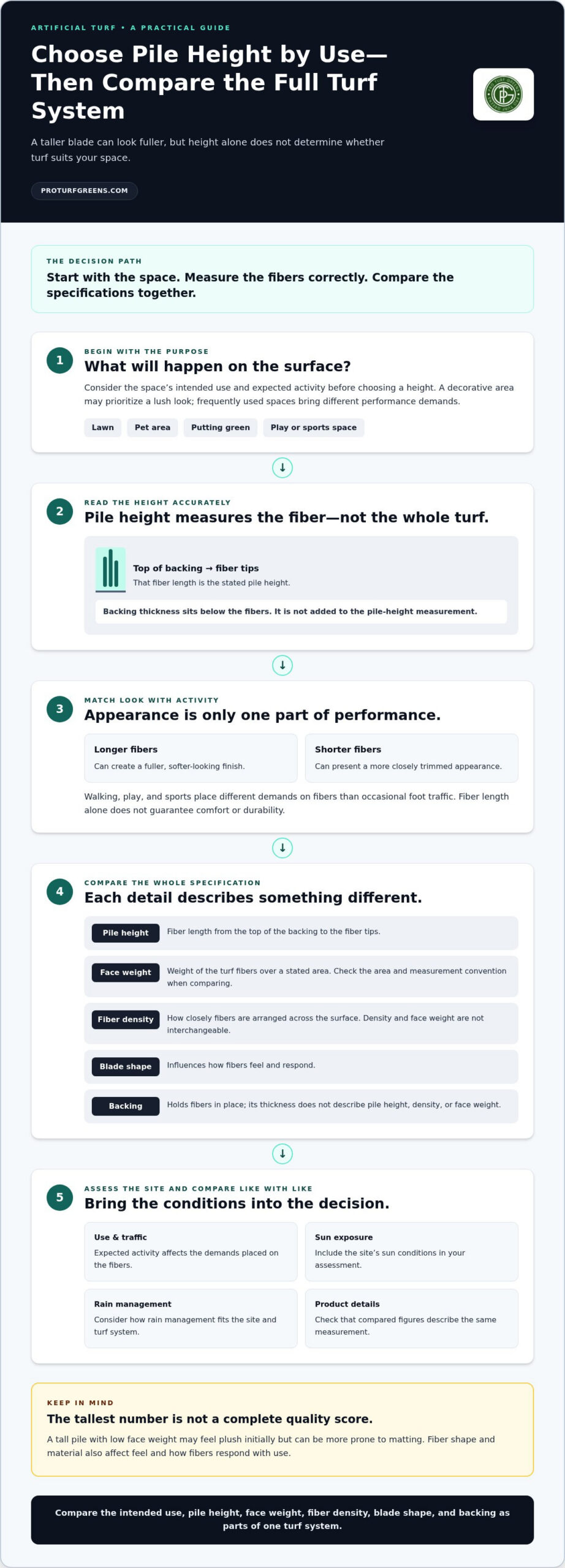
Artificial grass pile height is the length of its fibers, measured from the turf backing to the fiber tips. It describes the visible blade height, not the thickness of the backing or the total depth of the installed turf system.
That distinction helps make product specifications easier to read. Picture a blade rising from a flat base: pile height measures only the blade above that base. A thicker backing may add depth beneath the fibers, but it doesn’t make the pile itself taller. Keeping these measurements separate lets you compare turf products more accurately.
Pile height affects how full a surface looks and how it feels underfoot, but it can’t tell you on its own whether the turf is suitable or well-made. If you’re wondering what is the best pile height for artificial grass, begin by connecting the measurement to the space’s purpose. A lush appearance may be a priority for a decorative area, while a surface used for regular activity has different performance demands.
Artificial turf includes surfaces developed for a range of applications, so pile height is best understood as one specification within a broader system. Consider it alongside details such as face weight and blade shape, which also influence the surface’s feel and resilience.
How Is Artificial Grass Pile Height Measured?
Manufacturers generally measure from the top of the backing, where the fibers are attached, to the tips of the fibers. Product specifications commonly list this measurement in inches. The backing itself sits below the fibers, so its thickness isn’t added to the stated pile height.
For a fair comparison, make sure each specification describes the same measurement. A pile-height figure is useful only if it refers to the fiber length rather than a combined measurement of turf and backing. If you’re reviewing product details, look for the stated pile height and use that figure consistently across the options you’re comparing.
Why Is Taller Turf Not Automatically Better?
Longer fibers can create a fuller, softer-looking surface, but that appearance doesn’t automatically suit every activity. Turf in a busy play area or sports space needs to be considered in relation to how people will use it; a quiet decorative area may place greater emphasis on a lush look. Expected traffic matters because fibers experience different demands depending on the space.
Height also works in combination with other turf characteristics. For example, a tall pile with low face weight may feel plush initially but can be more prone to matting. Blade shape affects how fibers feel and respond, too. That’s why a specification should be evaluated as a whole rather than treating the tallest number as the mark of the best option.
- Separate the measurements: pile height is the fiber length above the backing.
- Match the use: consider appearance alongside expected activity and traffic.
- Compare the full specification: height is one factor, not a complete measure of turf quality.
How Pile Height Changes Artificial Grass Appearance and Performance
Pile height influences the first impression of a turf surface. Longer fibers can create a fuller, softer-looking finish, while shorter fibers may present a more closely trimmed appearance. Underfoot, fiber length can affect how much the surface feels plush, but the experience also depends on the fibers’ construction and the turf system as a whole.
Appearance and performance can shift with use. Repeated walking, play, or sports activity puts fibers under different demands than occasional foot traffic. Depending on the turf’s materials and construction, fibers may compress or lean with use, changing how even and upright the surface looks. A taller pile isn’t automatically more comfortable or durable; it simply describes one aspect of the turf.
Pile Height, Face Weight, and Fiber Density Are Different
Specifications describe separate characteristics, and comparing them carefully gives a more useful picture than height alone. Face weight is the weight of the turf fibers over a stated area. Manufacturers may present the area or measurement convention differently, so compare like with like: check what area the figure covers and whether it refers to fibers rather than the complete turf system.
Fiber density describes how closely the fibers are arranged across the surface. A taller pile can still look sparse if fibers are spread farther apart, while a shorter pile with closely arranged fibers may appear more uniform. Face weight and density aren’t interchangeable, either: one describes fiber weight over an area, and the other describes fiber arrangement.
Backing is another distinct specification. It holds the fibers in place, but its thickness doesn’t tell you the pile height, fiber density, or face weight. For a practical comparison, review these details together rather than treating any single number as a complete quality score.
How Fiber Height Relates to Feel and Flattening
A longer fiber may bend more noticeably under pressure simply because more of it extends above the backing. But the result depends on more than length. Fiber shape and material also affect how the surface feels and how fibers respond after repeated use. Two turfs with similar pile heights can therefore have different textures and behave differently in the same setting.
Think about how a space will be used over time. A decorative area with limited activity may prioritize a lush look; a frequently used area calls for closer consideration of how the complete turf system suits that activity. No height guarantees that fibers will stay upright or that a surface will retain a particular feel. Expected traffic, fiber characteristics, and maintenance all matter.
For residential or commercial projects in South Florida, Pro Turf Greens can help align turf design with the intended use and desired appearance. Explore custom turf planning as you consider how the specifications work together for your space.
Best Artificial Grass Pile Height by Application
The right pile height depends on what the surface needs to do, how it should look, and how much activity it will see. A residential lawn, pet area, putting green, and sports space have different priorities, so a single height won’t suit every project. Use the comparison below to identify what to prioritize, then consider the complete turf system for that application.
| Application | Appearance priorities | Activity and performance priorities |
|---|---|---|
| Lawn | A natural-looking, consistent finish that suits the landscape | Everyday foot traffic, comfort, and a balance of appearance and resilience |
| Pet area | A tidy surface that remains practical for daily use | Pet activity, cleanup, and the performance of the full turf system |
| Putting green | A consistent playing surface designed for golf | Ball roll and the specific characteristics required for putting |
| Play or sports space | An appropriate finish for the activity and setting | Expected movement, frequency of use, and sport-specific performance needs |
Pile Height Priorities for Lawns and Pet Areas
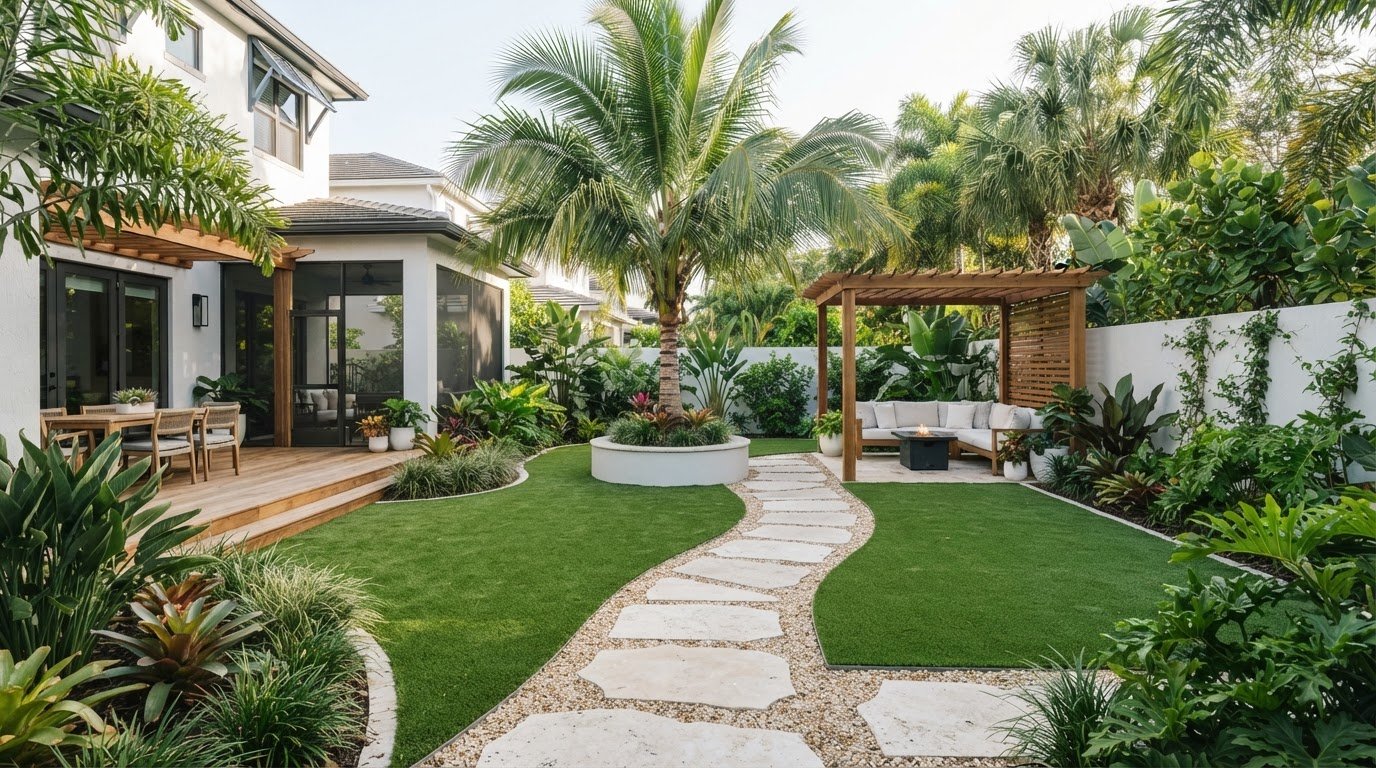
For a lawn, decide how lush you want the space to look, then balance that appearance with everyday use. A low-traffic area focused on visual softness may call for different characteristics than a lawn where people regularly walk and play. Think about the whole yard, too: the turf should complement the way the space functions, not just look appealing in a product sample.
Pet areas call for practical planning. Consider how actively pets will use the surface, how it will be cleaned, and how the complete turf system supports those needs. Pile height alone can’t answer questions about everyday performance or cleanup. For more focused planning, see the South Florida artificial turf dog-run guide.
Pile Height Priorities for Putting Greens and Sports Surfaces
A putting green isn’t simply a lawn with shorter fibers. It’s designed around putting characteristics, including the way the ball moves across the surface. Selecting the shortest lawn turf by default misses the point: the material and construction need to suit the intended play. For more detail, explore this backyard putting green installation guide.
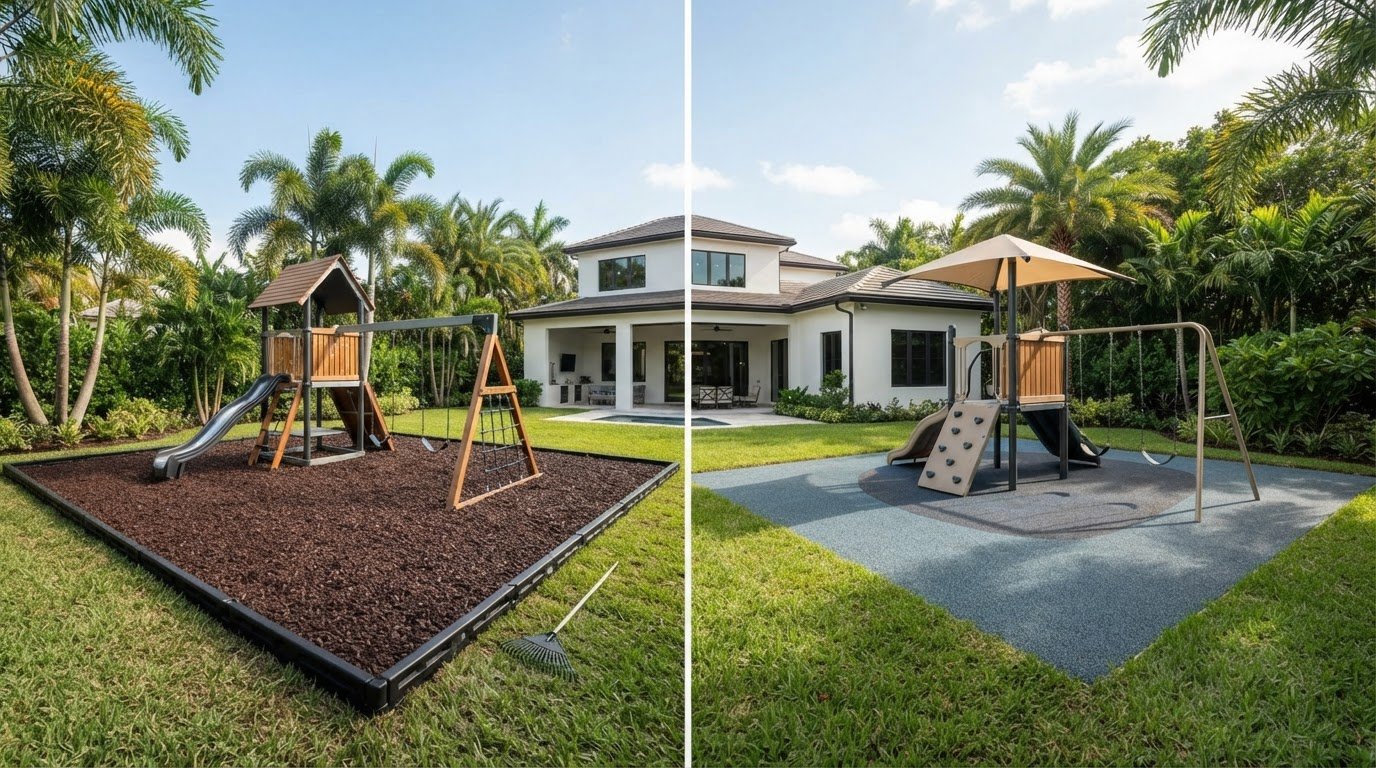
Athletic and play surfaces also need to be planned for their activities rather than borrowed from residential lawn guidance. The expected movement and use help define the performance priorities. For both sports and recreational projects, ask what is the best pile height for artificial grass only after identifying how the surface will be used. That context makes comparisons more relevant and supports a turf design tailored to the project.
How to Choose Pile Height for Your Site in South Florida
The right pile height depends on both the activity you’re planning for and the conditions of the site. In South Florida, sun exposure, rain management, and expected foot traffic are useful factors to consider as you compare turf options. They inform the project as a whole, but they don’t replace planning for the base, drainage, or installation. Those elements need attention as part of the turf system, not as properties that pile height can solve.
Start With Use, Traffic, and the Look You Want
First, picture how the finished area will function. Is it mainly decorative, a space for everyday recreation, a pet area, or a putting green? Then consider how often people, pets, or equipment will use it. A surface intended for frequent activity may call for different priorities than a quiet area where a fuller appearance matters most. Site conditions matter alongside pile height because the right turf must suit both the setting and the way people will use it.
Follow this sequence to narrow your options:
- Define the use. Identify the main purpose, such as a lawn, pet space, playground, athletic surface, or golf area.
- Assess activity. Think about who or what will cross the surface and how regularly. Include routine foot traffic, pet activity, and any equipment use.
- Set appearance goals. Decide whether you prefer a lush, fuller look or a more closely trimmed appearance, then balance that preference with the space’s practical demands.
- Compare specifications. Review pile height alongside fiber characteristics, face weight, backing, and requirements for the intended turf system.
Compare Samples and the Complete Turf Specification
A specification can help you compare options, but a sample makes the visual effect easier to judge. View it in the area where it will be installed, if possible, and look from several angles. Light, surrounding surfaces, and viewing distance can change how color and fullness appear. A sample viewed upright and close up may look different from the finished surface seen across a yard.
For a South Florida site, consider how much direct sun the area receives, how rain is managed, and where regular traffic will occur. These conditions are specific to each property, so one pile height or system shouldn’t be treated as the automatic answer for every location. Compare the full specification and keep the installation plan distinct: pile height describes the fibers, while base preparation and drainage design address other parts of the project.
If you’re still asking what is the best pile height for artificial grass, use your answers about purpose, activity, and appearance to guide the comparison rather than choosing by height alone. Plan your South Florida turf project with Pro Turf Greens for a design shaped around your space and its intended use.
Plan a Custom Artificial Grass Project With Pro Turf Greens
A successful turf project starts with more than choosing a pile-height number. The intended use, site conditions, and appearance goals all shape which turf characteristics make sense and how the surface should be designed. A lawn planned for everyday use has different priorities from a putting green or pet area, even if the finished spaces share a similar look.
Pro Turf Greens designs and professionally installs artificial turf for residential and commercial spaces across South Florida. Projects include lawns, pet areas, putting greens, playgrounds, and athletic spaces. This range of applications calls for thoughtful planning: the right design reflects how the surface will function as well as how it should look.
What a Project-Specific Pile Height Decision Considers
Start with the main activity, then consider how frequently the area will be used and what appearance you want to achieve. A fuller look may be a priority in one space, while the demands of recreation, pets, or golf may guide other design decisions. Site conditions matter too. Sun exposure, rain management, and the layout of the area help inform a project plan tailored to the property.
Pile height is one part of that plan, not a substitute for designing the complete turf surface. Fiber characteristics and backing contribute to the turf selection, while base preparation, drainage, and installation details must be considered as part of the project. Each element has a role. No single pile height can be assumed to suit every property or application, so decisions should reflect the needs of the specific space.
Before planning begins, it can help to write down a few priorities:
- Primary use: Identify whether the space is for a lawn, pets, putting, play, or athletic activity.
- Expected activity: Consider who will use the surface and how often.
- Desired appearance: Note whether you prefer a fuller look or a more closely trimmed finish.
- Site conditions: Describe sun exposure, rain-management needs, and the shape or layout of the area.
Turn Your Turf Priorities Into a Project Plan
These notes give the design process a practical starting point. They help connect your preferred appearance with the way the space needs to perform, rather than making pile height a standalone decision. For example, a household planning both a lawn and a pet area may have different expectations for each zone. A tailored design can account for the purpose of each surface within the larger property.
If you’re still asking what is the best pile height for artificial grass, the answer comes from matching the turf to the project, not choosing the tallest or shortest option by default. Pro Turf Greens brings artificial turf design and professional installation together for South Florida residential and commercial projects, helping turn site needs and visual goals into a considered plan.
Ready to discuss your space and its priorities? Discuss your South Florida turf project with Pro Turf Greens.
Take the Next Step Toward a Turf Plan That Fits
Your next step doesn’t need to be choosing a pile-height number on its own. Start by picturing how you want the finished space to work and feel, then bring those priorities into a project conversation. A clear goal, whether it’s a welcoming lawn, a pet area, or a dedicated play surface, gives the design process a useful starting point.
If you’re still asking what is the best pile height for artificial grass, the answer should emerge from a plan shaped around your property, not a one-size-fits-all rule. Pro Turf Greens brings South Florida artificial turf design and installation experience across residential and commercial applications to help turn those goals into a considered project plan.
Share what you have in mind and take the next step with Pro Turf Greens’ artificial turf consultation. Your ideas can become the foundation for a surface designed around the way you want to use your space.
Frequently Asked Questions
Can artificial grass be installed over concrete?
Artificial grass can be installed over concrete in some projects, but suitability depends on the slab’s condition, drainage, intended use, and proposed installation system. A stable, suitable base matters; cracks, uneven areas, or places where water collects can affect preparation and the finished surface. For a patio in Fort Lauderdale, for example, assess where rainwater will go and how the area will be used before settling on a turf design.
Does pile height affect how artificial grass drains?
Pile height alone doesn’t determine drainage. Water movement depends on the turf backing, the base beneath it, site grading, and how the system is installed. Asking “what is the best pile height for artificial grass” won’t answer how rain will move through the whole surface. In South Florida, including Miami and Palm Beach, consider where runoff can travel during heavy rain and plan for the specific site, without assuming a particular flow rate.
Does artificial grass always need infill?
Artificial grass doesn’t always require infill; the need depends on the selected turf, its intended activity, and the installation system. Infill is material placed among the fibers, while the fibers form the visible blades and the backing holds them in place. Pile height alone doesn’t settle the question. Follow the product and system instructions for the chosen project rather than adding or omitting infill based on a general rule.
Will artificial grass stay cooler if it has a shorter pile?
A shorter pile doesn’t reliably mean a cooler surface. Direct sun, turf materials and construction, nearby paving or other surfaces, and weather all affect how the area feels. In Coral Gables or other sun-exposed South Florida settings, consider the hours of use and the surrounding environment, not only fiber height. Evaluate the surface for its intended activity, and don’t assume one pile specification will feel cooler in every condition.
How often should artificial grass be brushed?
Brushing frequency depends on how much the turf is used, how its fibers respond, how much debris collects, and the specific turf system. A busy play area may need grooming more often than a lightly used side yard, but there isn’t one schedule for every installation. Follow the care guidance for that surface. For pet areas, brushing is separate from removing waste and cleaning to address residue or odors.
Can artificial grass pile height be changed after installation?
Pile height is built into the turf product, not an adjustable setting like a mower. Cutting fibers after installation won’t reliably turn the surface into a different turf type; trimming can alter its appearance and finish without changing the backing or overall construction. If the surface no longer suits its use, reassess the turf system and project needs. This matters if a space shifts from decorative use to frequent recreation.