What if an artificial turf yard looked less like a sheet of green and more like a thoughtfully designed outdoor room? The difference often comes from how turf works with pavers, planting, and open space. It’s understandable to worry that too much turf could feel artificial or one-dimensional, especially in a South Florida yard exposed to strong sun and heavy rain. The most useful modern turf landscaping ideas treat the whole landscape as a coordinated design, not just a lawn replacement.
This guide covers ways to balance turf with other materials and shape a space around how your household wants to use it. Explore layouts for compact yards and larger outdoor areas, including spaces for relaxing, playing, pets, or putting practice. Before planning an installation, consider drainage, sun exposure, and how different surfaces and planting will work together. A clear plan can make artificial turf one considered element in a polished, functional landscape.
Key Takeaways
- Modern turf landscaping ideas work best when turf, hardscape, planting, and circulation are planned as one cohesive design.
- Pair turf with pavers and planting beds to create distinct zones for relaxing, playing, pets, or recreation.
- Assess sun exposure, rainfall, shade, drainage, and intended use before selecting a turf surface or installation approach.
- Prepare for planning by noting your yard’s dimensions, access routes, existing surfaces, and any drainage concerns.
- Pro Turf Greens designs and installs artificial turf for South Florida uses such as lawns, pet areas, putting greens, and recreational spaces.
Modern turf landscaping ideas: what makes a yard feel contemporary?
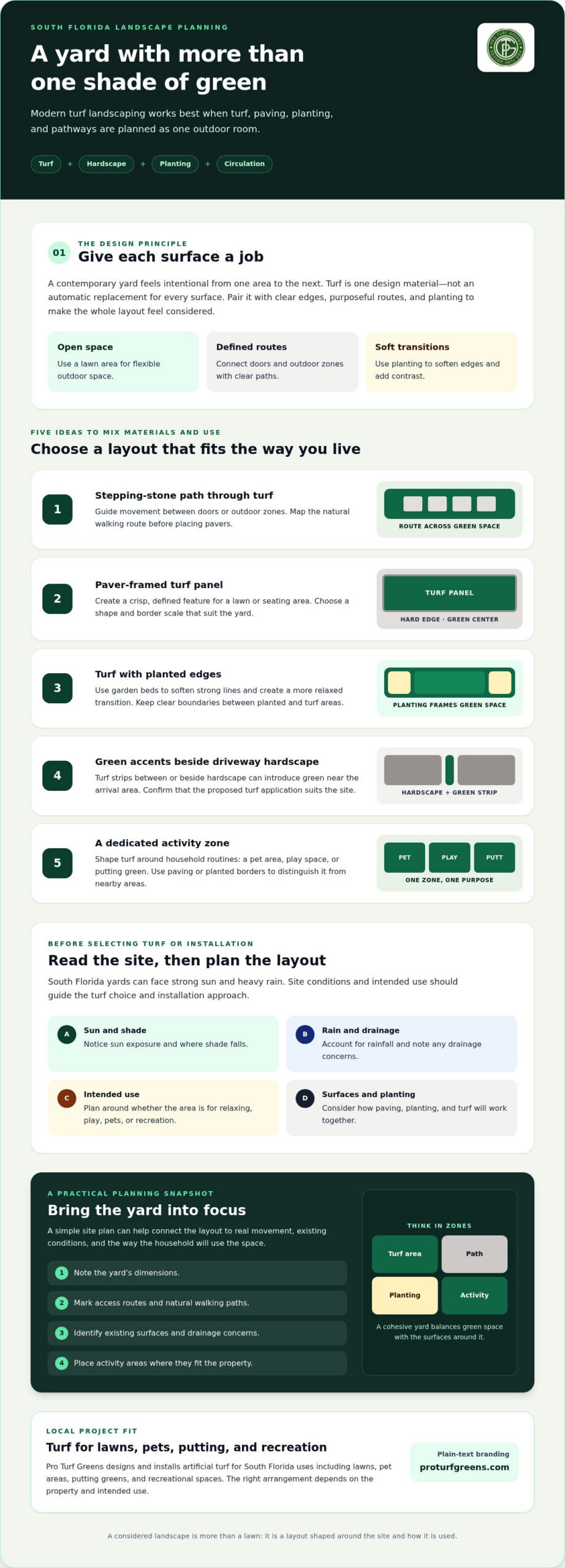
A contemporary yard feels intentional from one area to the next. Turf, paving, planting, and pathways each have a purpose, with clear edges and a layout that supports how people move through and use the space. Modern turf landscaping is a coordinated plan for artificial turf, hardscape, planting, circulation, and outdoor activities, shaped to suit a property and its owners.
That means turf is one design material, not an automatic solution for every part of every yard. Start by considering the view from inside the home, the routes between doors and outdoor areas, and where the household wants open space. Artificial turf is used in settings such as residential lawns and recreation areas, but the right application depends on the site and intended use.
Visual restraint helps a design feel polished. Choose a small group of complementary materials, repeat them where appropriate, and use clear borders to make transitions look deliberate. A simple geometric shape can feel crisp and architectural, while a less formal outline can soften the yard. Neither approach requires covering the whole landscape in turf.
Which modern landscape styles work with artificial turf?
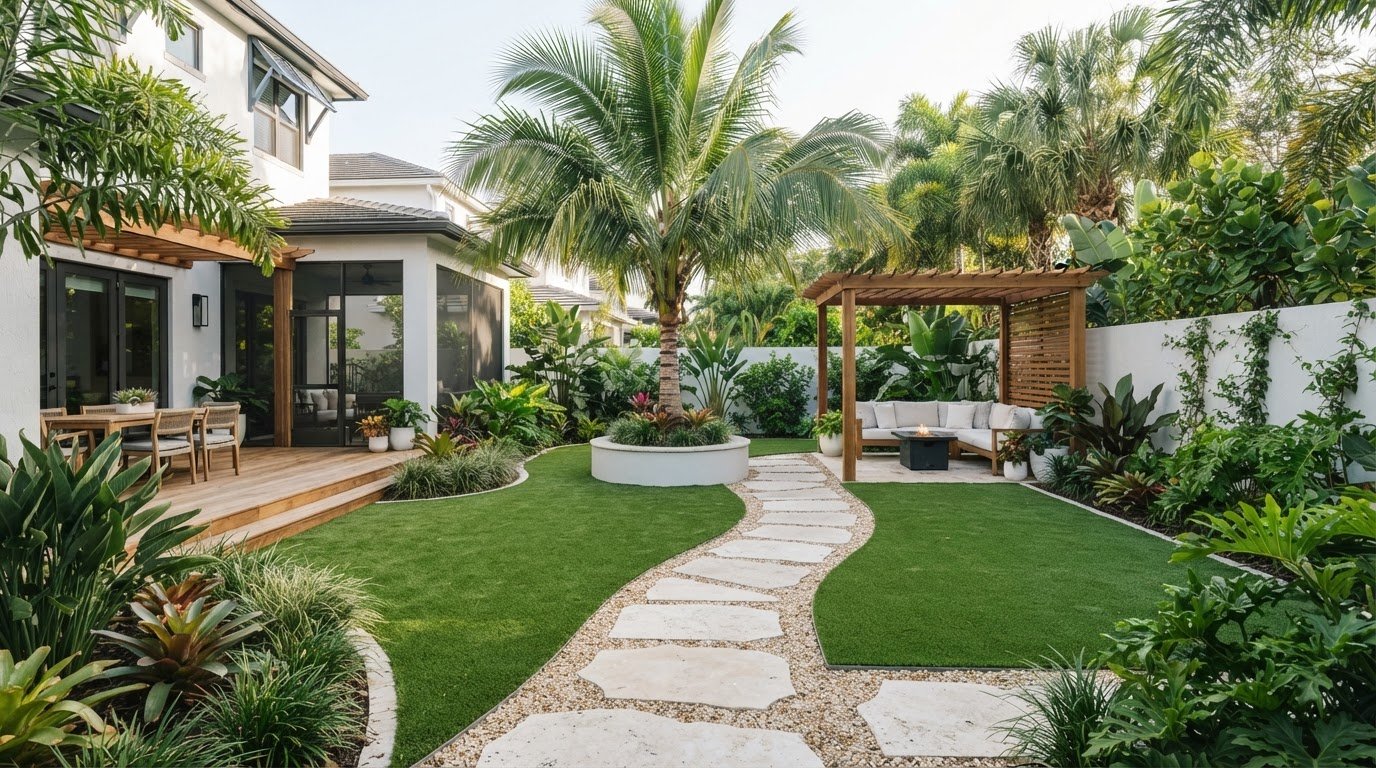
Clean-lined contemporary layouts often use rectangular or other geometric turf areas framed by pavers or defined planting beds. This creates structure and makes separate zones easy to recognize. A softer, nature-inspired design may pair curved turf edges with layered planting for a more relaxed transition between green space and garden beds.
To connect the yard to the home, draw from its exterior finishes and repeat a restrained palette in paving, borders, and furnishings. The goal isn’t to match every material, but to create a considered relationship between them.
Where can turf add function as well as visual appeal?
Plan each turf area around its intended use. A lawn can provide open space, while a pet zone, play area, putting green, or other recreation space supports a more specific activity. In a mixed-material yard, turf can define that zone without replacing paving, planted areas, or pathways.
Shape and placement should follow the available space and how people will use it. Before settling on a layout, consider site conditions and confirm that the selected turf and installation approach suit the intended application. A design that looks cohesive on a plan still needs to work for the property itself.
Five modern turf landscaping ideas that pair green space with other materials
A turf-only yard can feel visually flat when every area has the same color and texture. Mixing materials adds contrast and gives each part of the landscape a clear role. These modern turf landscaping ideas are adaptable starting points, not fixed templates. The balance of turf, paving, and planting should respond to your property and planned activities. Michigan State University Extension’s Principles of landscape design offer helpful context for creating visual balance and simplicity.
How can pavers, planting, and turf create a layered yard?
Use a stepping-stone path to guide movement across a turf area, or frame a rectangular turf panel with pavers for a crisp, defined look. Planting beds can soften strong edges and add contrast. For a driveway, turf strips between or beside hardscape materials can introduce green into the layout. Explore this custom turf driveway design guide for more inspiration.
How can turf shape dedicated outdoor activity areas?
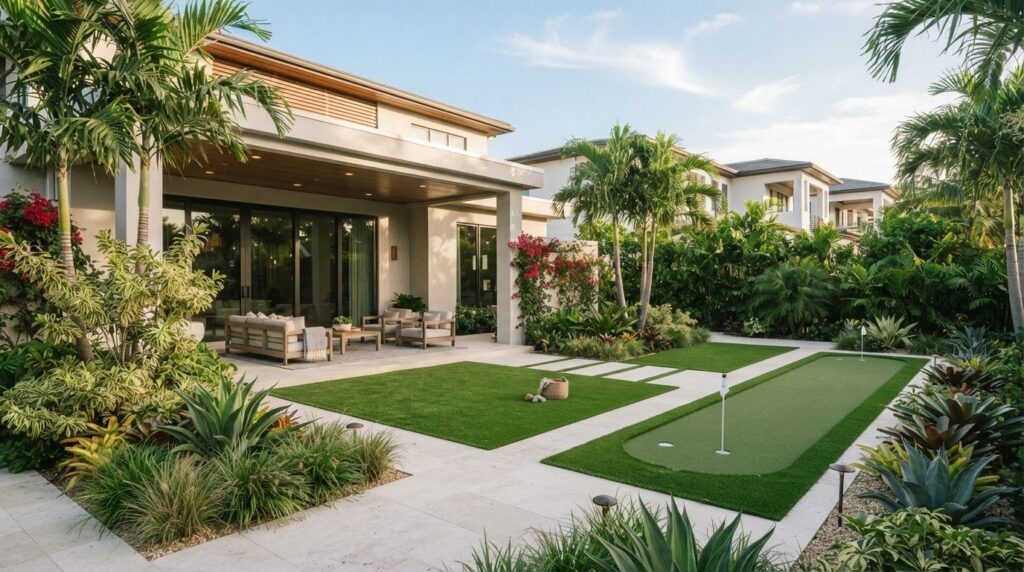
Plan a lawn, pet area, or play zone around household routines, then use paving or planted borders to distinguish it from nearby spaces. A putting green can create a focused recreation area without taking over the entire yard. The right arrangement and turf product depend on the available space and intended use. For golf-specific planning, see the backyard putting green installation guide.
Compare these five concepts before choosing a direction:
| Concept | Best-fit use | Planning consideration |
|---|---|---|
| Stepping-stone path through turf | Connecting doors or outdoor zones | Map the natural walking route before placing pavers. |
| Paver-framed turf panel | A defined lawn or seating-area feature | Choose a shape and border scale that suit the yard. |
| Turf with planted edges | A softer transition beside garden beds | Allow clear boundaries between planted and turf areas. |
| Turf alongside driveway hardscape | Adding green accents near the arrival area | Confirm the proposed turf application suits the site and use. |
| Dedicated recreation zone | Putting, play, or pet activity | Plan around household routines and activity needs. |
Each concept can be adjusted in scale, shape, and material palette. If you’re considering a lawn, pet area, putting green, or recreational turf, explore artificial turf options for your project and compare them with the needs of your space.
What South Florida homeowners should consider before choosing turf
South Florida conditions make a site assessment especially important. Sun exposure, shade, rainfall, existing surfaces, and how water moves across the yard can all affect where turf makes sense. A good turf plan starts with the property’s conditions and intended use, then matches those needs to suitable materials and installation details. That’s more reliable than assuming one product or layout will work equally well in every yard.
How do sun, shade, and rain affect a turf landscape?
Observe the yard at different times of day before deciding where turf should go. Note which areas receive direct sun, where shade falls, and how those patterns change. This information can help you compare possible locations with product-specific guidance, including any available details about surface heat. Don’t assume every turf product will feel or perform the same way.
Rainfall also calls for careful planning. Identify low spots, areas where water collects, and the direction water appears to move after a storm. Discuss drainage with an installation specialist and ask how the proposed base, product specifications, and site conditions work together. A product’s drainage information alone doesn’t establish how it will perform across a particular property.
There are trade-offs to weigh, too. The University of Florida’s Florida-Friendly Landscaping™ program discusses concerns about synthetic turf, including heat retention and its effects on habitat and soil. Consider that perspective alongside aesthetic and practical goals. Artificial turf may suit a planned activity area, while planted space may better support other landscape priorities.
Is artificial turf suitable for every part of a South Florida yard?
No single surface is the right choice everywhere. An open lawn, pet area, play space, and decorative accent each have different demands. Consider how often the area will be used, who will use it, and what surrounds it. For pet-specific planning, the South Florida artificial turf dog-run guide can help you think through the needs of that zone.
Some areas may be better suited to paving, planting, or another surface, particularly when those choices align more closely with how you want the space to function. Before deciding, make a short site checklist:
- Track sun and shade in the areas you’re considering.
- Note where water collects or flows after rain.
- Define the intended use for each proposed turf zone.
- Ask for product-specific information on heat, drainage, and care.
These checks help turn modern turf landscaping ideas into a site-specific plan, grounded in the property rather than broad assumptions.
How to plan a modern turf landscape for your property
A clear plan helps translate inspiration into a layout that fits your property. Start with how you want to use the yard, then map the site, compare material choices, and review the proposed design. This sequence keeps the look and practical requirements in view together.
What should you decide before sketching a turf layout?
List who will use each area and what activities it needs to support. Your household may want open lawn space, a pet area, a play zone, or a putting green. These priorities help determine where turf belongs and where paving or planting may serve the plan better.
Next, make a simple site sketch. Record approximate dimensions, doors and gates, existing surfaces, fixed features, and routes people use to move around the yard. Mark areas of shade and places where water collects after rain. These observations give an installer useful context beyond a few inspiration photos.
Decide what matters most: a particular visual style, dedicated activity space, or a balance of green and hardscape. You may need to prioritize if the available area is limited. Before requesting an installation consultation, note your yard’s dimensions, access routes, existing surfaces, intended uses, shade patterns, and drainage concerns.
What should you ask a turf installer about design and installation?
Share your sketch and ask how the proposed layout accounts for the site. Discuss preparation, how turf edges and transitions will meet pavers or planting areas, and what drainage considerations apply to the property. Ask which details need to be checked on site rather than assuming a general design will fit without adjustment.
Product choice should follow intended use and local exposure conditions. Ask for information relevant to the planned area, such as whether a product is suited to lawn, pet, play, or recreation use, and what to know about sun exposure and care. Confirm the proposed project scope and what maintenance the selected product may require.
- Define: who will use each space and for what activities.
- Document: dimensions, access, existing materials, shade, and drainage observations.
- Review: the layout, product suitability, edges, transitions, and project scope.
Thoughtful planning gives modern turf landscaping ideas a practical foundation and keeps design choices tied to the property. To discuss a site-specific artificial turf plan, request a turf landscape consultation from Pro Turf Greens.
Bring your modern turf landscaping idea to life with a local specialist
A successful project brings the design concept, property conditions, materials, and intended use together in one considered plan. A lawn designed for open space has different needs from a pet area, play space, or putting green. The layout should also account for how turf meets existing paving, planting, and paths, so the finished landscape feels connected rather than pieced together.
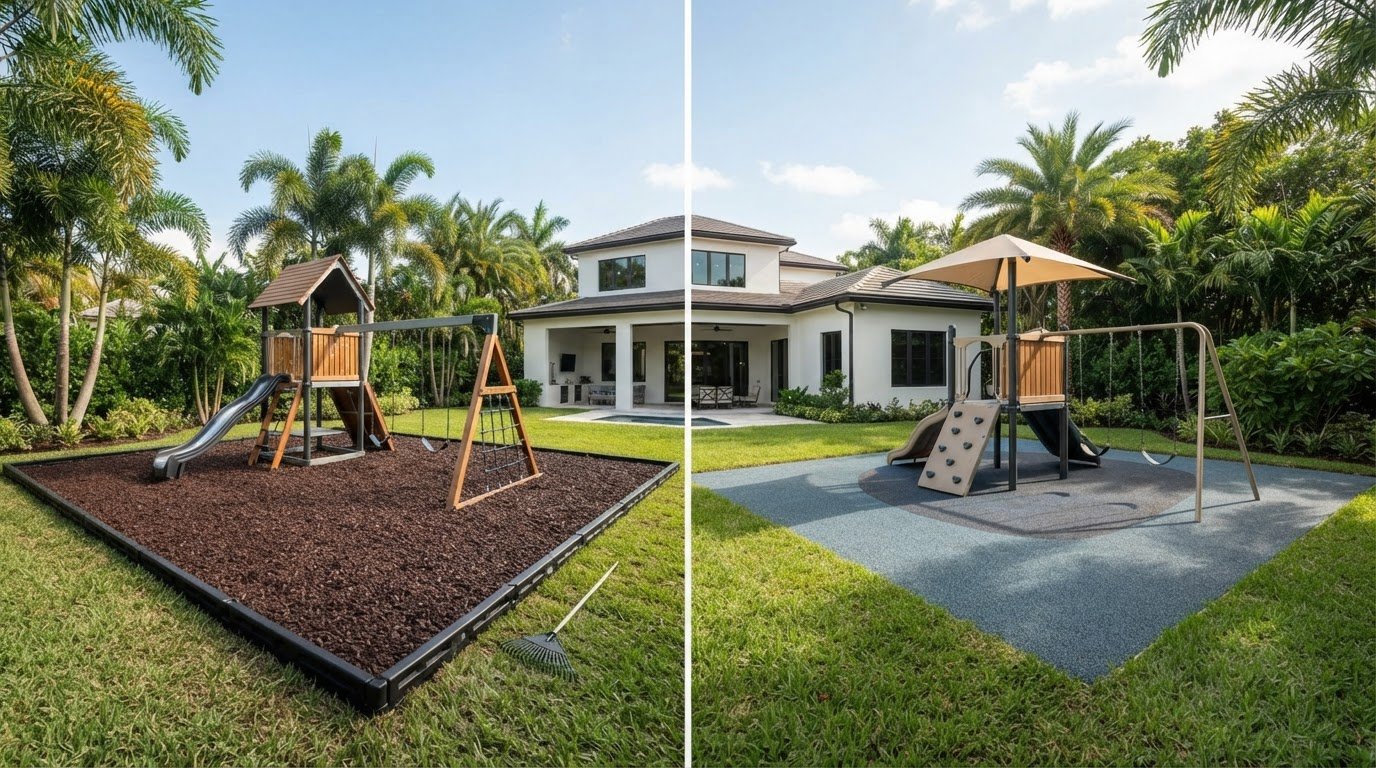
Pro Turf Greens specializes in artificial turf design and installation in South Florida. Its project categories include artificial lawns and pet turf, turf driveways, backyard putting greens, and playground and recreational turf. These are options to discuss, not one-size-fits-all recommendations. Suitability depends on the property’s layout, site conditions, and how each area will be used.
Which Pro Turf Greens services may fit your landscape idea?
For a residential outdoor space, an artificial lawn may suit an area intended for general use, while pet turf may be relevant if you’re planning a dedicated space for animals. A turf driveway, putting green, or recreational surface may fit a more specific project goal. Consider how each area connects to the rest of the yard, then ask which product and layout make sense for your site.
Pro Turf Greens serves homeowners and commercial clients in South Florida, including Fort Lauderdale, Miami, Palm Beach, Boca Raton, Delray Beach, Jupiter, Palm Beach Gardens, Weston, and Coral Gables. A specialist can help translate your priorities into a site-specific concept. Be prepared to discuss conditions that could affect the design.
What can you prepare for a turf design consultation?
A few practical details can make the conversation more focused. Gather property photos and approximate dimensions, and describe the intended use of each area. Note existing hardscape, access routes, drainage concerns, and your preferred design style. If you have a sketch or examples of looks you like, share those too. They can help clarify your goals without locking you into a particular layout.
- Photos and approximate measurements of the areas you’re considering
- Planned activities and who will use each space
- Existing paving, access points, and drainage observations
- Ideas for the balance of turf, hardscape, and planting
Bring questions about product suitability, project scope, and care expectations, too. Once you’ve outlined your goals, you can Request a free turf consultation to discuss a concept tailored to your property. A focused conversation is a useful next step for turning modern turf landscaping ideas into a cohesive plan.
Turn your landscape vision into a thoughtful plan
The strongest modern turf landscaping ideas bring together more than a green surface. They balance turf with pavers and planting, reflect how your household will use each area, and account for the property’s sun, shade, and drainage conditions. A considered layout can create distinct spaces while keeping the whole yard visually connected.
Before moving forward, clarify your priorities and note the site details an installer will need to understand. The right turf choice and arrangement depend on the intended use and conditions of your property, so recommendations should be tailored rather than assumed.
Pro Turf Greens designs and installs custom artificial turf for residential and commercial projects in South Florida. Offerings include lawns, pet turf, recreation areas, putting greens, and turf driveways, with suitability determined by each project’s goals and site.
Ready to explore what may work for your property? Request a free consultation with Pro Turf Greens to discuss your ideas and site needs. With a clear plan and the right guidance, you can take a confident first step toward an outdoor space designed around your life.
Frequently Asked Questions
What are some modern turf landscaping ideas for a small yard?
For a small yard, define one main turf area and use pavers or planting beds to give the space structure. A compact rectangular turf panel can provide open space, while a stepping-stone path preserves a clear walking route. These modern turf landscaping ideas can make a limited footprint feel organized without covering every surface. Before choosing a layout, note doors, access paths, shade, and how you want to use the yard.
Can artificial turf look natural in a modern landscape?
Yes, artificial turf can fit a modern landscape when it’s integrated with other materials rather than used as an uninterrupted surface. Defined edges, pavers, and planted borders add contrast and make the layout feel intentional. Consider how the turf color and texture relate to your home’s exterior and nearby hardscape. Ask to review product details and examples so you can assess the appearance for your own design.
Is artificial turf a good choice for South Florida homes?
It can suit some South Florida homes, depending on the property, product, and intended use. Homeowners in Fort Lauderdale, Miami, Palm Beach, Boca Raton, Delray Beach, Jupiter, Palm Beach Gardens, Weston, and Coral Gables should consider sun exposure, shade, rainfall, drainage, and how each area will be used. Turf may work for a lawn, pet area, or recreation space, while planting or paving may better serve other parts of the yard.
Does artificial turf get hot in the Florida sun?
Artificial turf can become hot in direct sun, so surface temperature deserves attention when planning a South Florida yard. Conditions can vary with exposure and product specifications, so don’t assume all turf feels the same. Ask the installer for product-specific information and consider how people or pets will use the area during sunny periods. Shade, placement, and choosing another surface for some zones may also factor into the design.
How do you combine artificial turf with pavers and plants?
Use pavers to create paths, borders, or transitions between turf zones, and place planting beds along selected edges to add softer contrast. For example, a defined turf panel can sit beside a paved seating area, with plants framing the boundary. Keep the material palette coordinated and make sure routes between doors and activity areas remain clear. The layout should fit the yard’s dimensions and site conditions.
What should I consider before installing turf in a rainy climate?
Start by noting where water collects, where it flows after rain, and whether parts of the yard sit lower than others. Discuss these observations with an installer before selecting a product or layout. Ask how site preparation and drainage will be addressed, and request product-specific drainage information. Rainfall and site conditions vary, so a general claim about turf drainage can’t replace a property assessment and a plan suited to that location.
How do I choose between a turf lawn, pet area, or putting green?
Choose based on the activities you want the space to support. A lawn may suit general outdoor use, while a pet area or putting green serves a more specific purpose and may call for a different layout and product. Pro Turf Greens offers lawns and pet turf, along with backyard putting greens and recreational turf in South Florida. Discuss your property’s layout, routines, and site conditions before deciding which option fits.