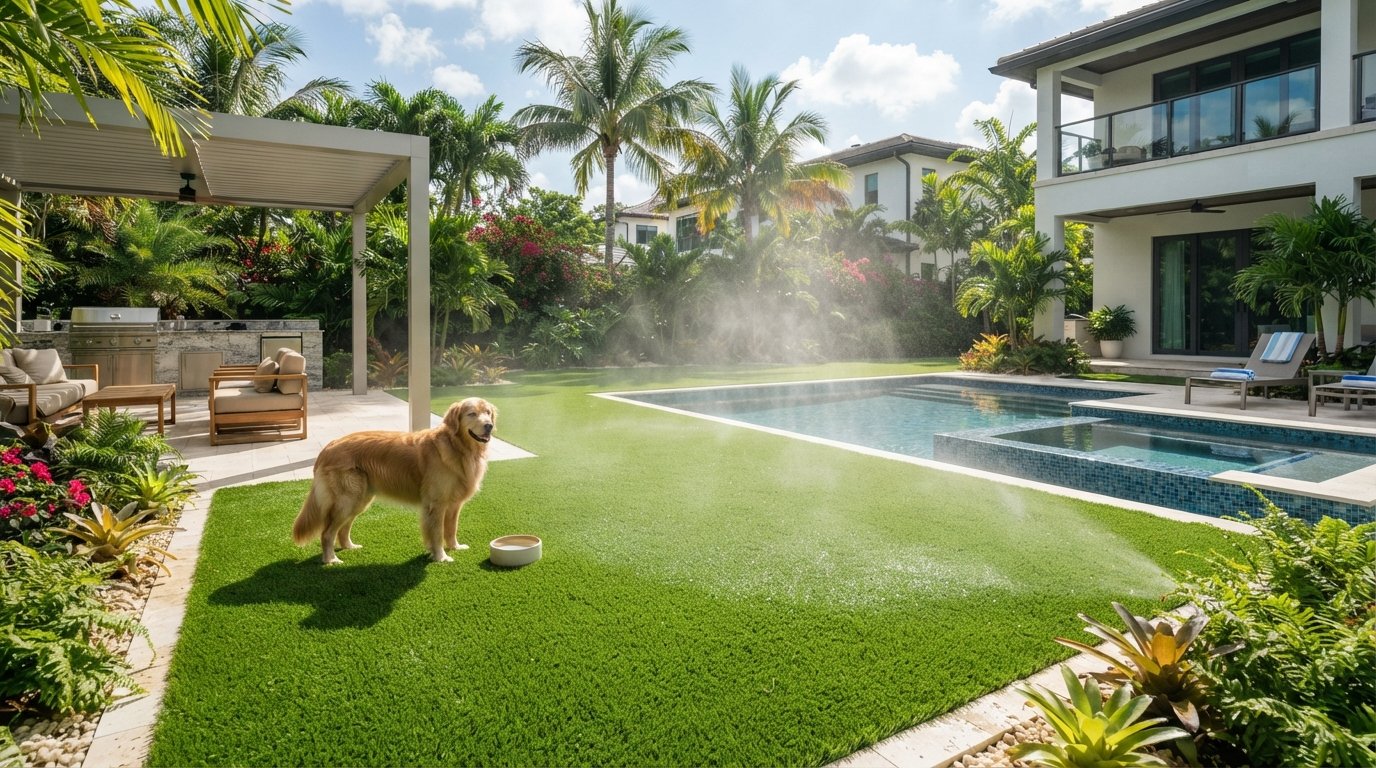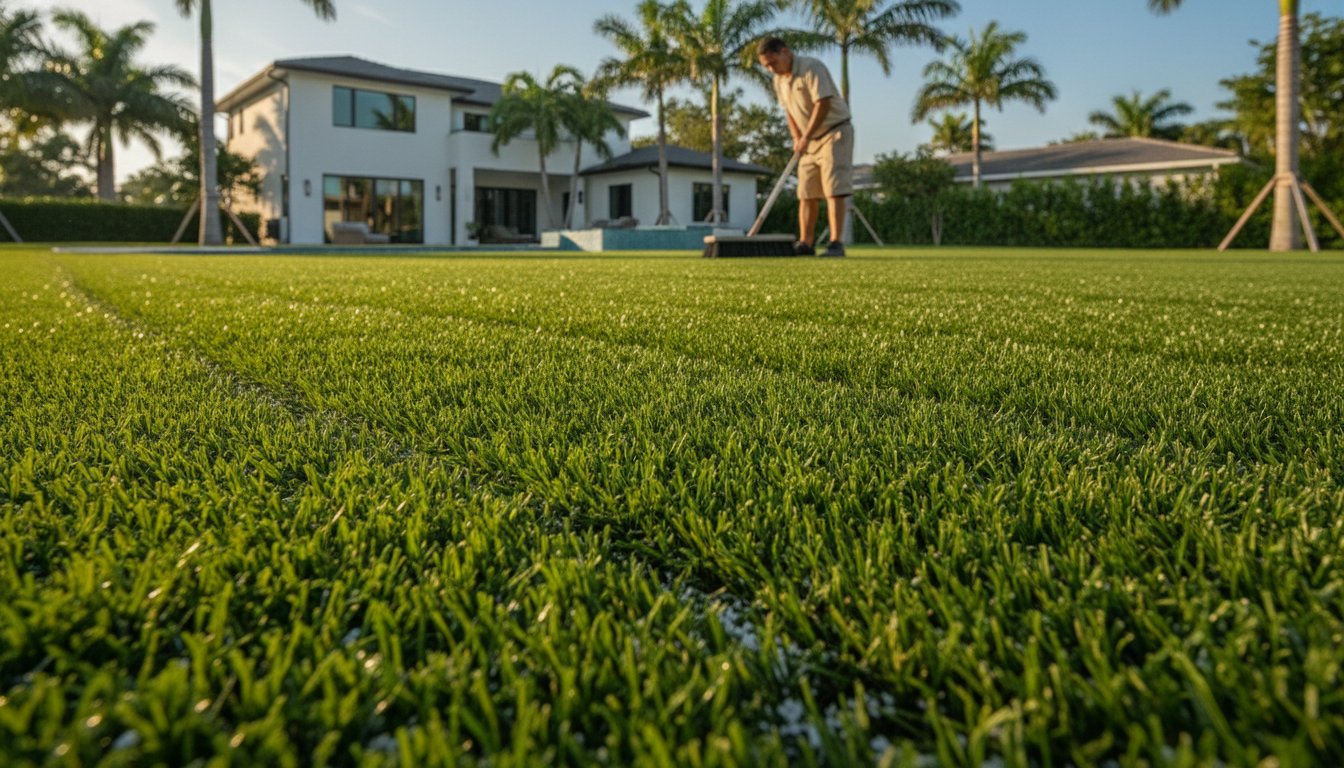

Could your own backyard be the primary obstacle to enjoying the South Florida lifestyle you’ve worked so hard to achieve? For many homeowners in Fort Lauderdale and Miami, the dream of a lush, green lawn often clashes with the reality of year-round hay fever and asthma flare-ups. This persistent struggle is why many residents are now investing in artificial grass for allergy sufferers florida to reclaim their outdoor spaces. It’s a frustrating cycle where the very environment meant for relaxation becomes a source of physical discomfort.
If you’ve spent years managing seasonal symptoms during Florida’s endless growing season, you know that traditional grass is more than just a landscape; it’s a reservoir for pollen and damp-loving mold. This 2026 guide explains how professional synthetic turf installation eliminates these common triggers to create a year-round, allergy-free oasis. You’ll discover how advanced material engineering provides a beautiful, hypoallergenic play area while significantly lowering your long-term maintenance demands. We will detail the specific benefits of moisture-wicking technology and the total removal of mowing-related dust, ensuring your outdoor space remains a sanctuary for both your health and your home’s value.
Key Takeaways
- Understand why Florida’s unique year-round growing season creates a non-stop pollen cycle and how synthetic fibers effectively break this chain of allergens.
- Learn how professional artificial grass for allergy sufferers florida eliminates the “mowing effect,” preventing millions of dust particles and pollen triggers from becoming airborne.
- Discover the critical role of high-flow drainage systems and antimicrobial infills in preventing mold and mildew growth after heavy South Florida rainstorms.
- Explore how a custom site assessment identifies local allergen traps in your yard to ensure a truly hypoallergenic outdoor environment for children and pets.
- Compare the long-term health and maintenance benefits of synthetic turf against the recurring chemical requirements and physical strain of traditional sod.
Why Florida Natural Grass is an Allergy Sufferer’s Nightmare
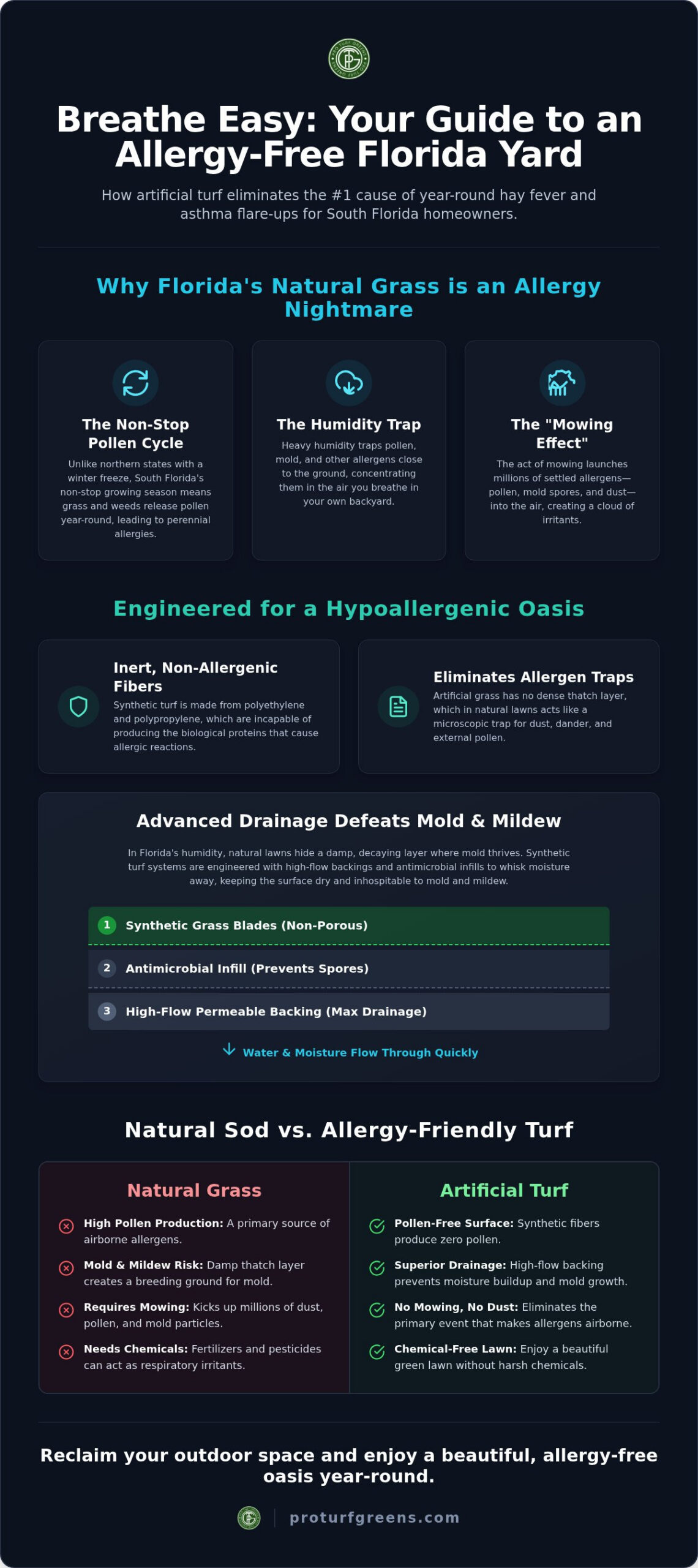
Florida’s sub-tropical environment is a paradise for vegetation but a prison for those with respiratory sensitivities. The heavy humidity in South Florida acts like an invisible weight, trapping allergens close to the ground where you breathe. Because the air is often saturated with moisture, pollen particles don’t simply drift away; they linger in the breathing zone of your backyard. This creates a constant challenge for those seeking artificial grass for allergy sufferers florida, as natural species like Bermuda or St. Augustine grass are notorious for their high pollen production and cross-reactive properties that trigger severe hay fever symptoms.
The Year-Round Pollen Cycle in South Florida
Unlike northern states where a hard freeze provides a much-needed reprieve, Miami and Palm Beach experience a non-stop growing season. There’s no true winter to force plants into a dormant state. This leads to a condition known as perennial allergic rhinitis, which is a year-round inflammation of the nasal passages caused by constant exposure to environmental triggers like grass and weed pollen. While oak trees may peak in the spring, common lawn grasses continue to release spores and micro-pollens throughout the summer and fall. For a comprehensive overview of artificial turf and how it replaces these biological triggers with inert materials, it’s helpful to understand that synthetic fibers simply cannot produce the biological proteins that cause these reactions.
Mowing and Maintenance: A Hidden Allergy Trigger
The simple act of keeping a lawn tidy is often the most dangerous part of yard work for sensitive individuals. We call this the Mowing Effect. As blades spin at high speeds, they don’t just cut grass; they launch millions of settled allergens, mold spores, and fine dust particles into the air. Gas-powered equipment further complicates the issue by releasing exhaust fumes that can irritate already inflamed airways. By choosing a synthetic lawn, low-maintenance translates directly to low-exposure. Consider the following ways traditional maintenance impacts your health:
- Disturbance of spores: Mowers kick up mold that thrives in the damp thatch layer common in South Florida.
- Aerosolization: Dried pet dander and lawn chemicals are lifted from the soil and inhaled.
- Respiratory strain: The physical exertion of mowing in high heat often leads to deeper inhalation of airborne irritants.
Eliminating the need for weekly mowing doesn’t just save time; it removes the primary event that sends your symptoms into overdrive. It’s a fundamental shift from managing a living allergen factory to enjoying a stable, hypoallergenic outdoor environment.
How Synthetic Turf Creates a Hypoallergenic Outdoor Environment
Synthetic turf isn’t just an aesthetic choice; it’s a precision-engineered barrier against environmental irritants. By replacing living vegetation with inert materials, homeowners can effectively neutralize the primary source of grass pollen allergies in their immediate vicinity. This transformation begins at the molecular level, where high-quality polymers create a surface that’s fundamentally incapable of producing biological allergens.
Engineered Fibers vs. Biological Triggers
Modern synthetic turf utilizes advanced polyethylene and polypropylene fibers. Unlike natural blades that release reproductive spores, these non-organic materials are chemically stable and non-allergenic. The physical design of these fibers also plays a crucial role. High-quality blades feature a smooth, non-porous finish that prevents external pollen from “hooking” onto the surface. In a natural lawn, the dense thatch layer acts like a microscopic trap for dust and irritants. Professional artificial grass for allergy sufferers florida eliminates this thatch entirely, replacing it with a clean, vertical blade structure that’s easy to rinse and maintain.
Mold and Mildew Mitigation in High-Humidity Climates
In the sweltering humidity of South Florida, natural grass often hides a damp, decaying layer of organic matter where mold thrives. Synthetic systems eliminate this “living layer” by removing the soil and thatch that host fungal colonies. The foundation of a professional installation includes a multi-layered, permeable backing designed for rapid drainage. This ensures that even after a heavy tropical downpour, water doesn’t pool or create stagnant pockets.
Anti-microbial coatings integrated into the turf fibers provide an additional layer of protection against spore growth. This level of hygiene is especially vital for multi-functional spaces; for instance, choosing artificial turf for dog runs south florida is essential for pet-related allergy control because it prevents the accumulation of bacteria and odors that can exacerbate respiratory issues.
Impact on Indoor Air Quality
The benefits of a hypoallergenic lawn extend beyond the fence line. One of the most significant sources of indoor allergens is the material tracked in on shoes and paws. Natural lawns contribute mud, pollen-laden dust, and damp soil to your home’s interior. A synthetic surface remains clean and dry, drastically reducing the volume of irritants that enter your living space. This creates a cleaner indoor environment and reduces the workload on your home’s air filtration systems. If you’re ready to see how these materials can transform your daily comfort, our team can help you explore custom turf solutions tailored to your property.
Natural Grass vs. Artificial Turf: A South Florida Allergy Comparison
Choosing between natural sod and synthetic surfaces involves more than just comparing shades of green. In the unique climate of South Florida, natural grass acts as a biological engine, producing high volumes of pollen while simultaneously requiring a cocktail of chemicals to stay healthy. For those investigating artificial grass for allergy sufferers florida, the primary advantage lies in the total removal of these environmental stressors. While natural grass retains allergens within its damp thatch layer, synthetic turf offers a non-porous surface that can be easily cleaned with water, ensuring that local pollen from nearby oaks or ragweed doesn’t linger where your family plays.
Chemical Sensitivity and Lawn Treatments
Maintaining a pristine St. Augustine or Bermuda lawn in cities like Boca Raton often requires heavy applications of synthetic fertilizers, pesticides, and herbicides. These chemical treatments are notorious for triggering respiratory irritation and skin sensitivities in both humans and pets. When these substances evaporate in the intense Florida heat, they contribute to poor localized air quality. Transitioning to synthetic turf eliminates the need for these toxic interventions entirely. Children can enjoy a lush, green environment without the risk of coming into contact with freshly sprayed weed killers or nitrogen-heavy granules, providing a much safer, non-treated surface for daily recreation.
Pest Reduction and Skin Irritants
Florida’s natural lawns are prime habitats for a variety of biting insects that cause secondary allergic reactions. Fire ants, fleas, and ticks thrive in the moist soil and organic debris found at the base of natural grass blades. For many, an insect bite isn’t just a temporary nuisance; it’s a trigger for hives, swelling, and severe itching. Synthetic turf removes the food sources and nesting grounds these pests require to survive. This is a critical component of modern playground turf safety standards florida, where creating a controlled, pest-free environment is just as important as impact protection.
The durability of synthetic systems also provides a significant edge during the intense rainy season. While natural grass becomes a muddy, pollen-saturated soup after a tropical downpour, high-quality artificial grass for allergy sufferers florida remains stable and clean. It doesn’t wash away or develop the stagnant puddles that attract mosquitoes and encourage mold growth. This resilience ensures your backyard remains a functional, hypoallergenic sanctuary regardless of the weather patterns moving through the Atlantic or the Gulf.
Selecting and Maintaining Allergy-Friendly Turf in Florida
Selecting a system for artificial grass for allergy sufferers florida requires looking beyond the surface aesthetics. While the visual appeal of the blades is often the first consideration, the technical specifications of the backing and infill determine whether your yard remains a hypoallergenic sanctuary or becomes a trap for regional irritants. Professional-grade turf systems are engineered with specific components that work together to prevent the accumulation of pollen and the growth of mold in our humid environment.
High-Flow Drainage: The Key to Mold Prevention
In Fort Lauderdale and Miami, where tropical storms can drop several inches of rain in a single hour, the drainage capacity of your turf is your primary defense against mold. Standard “hole-punched” turf relies on small perforations for water to escape, which can lead to microscopic pooling in high-humidity conditions. We recommend fully permeable backing systems that allow water to flow through every square inch of the material. For a truly effective South Florida installation, the system should be engineered to handle a drainage rate of at least 30 inches of water per hour per square yard. This rapid runoff ensures the sub-base stays dry and prevents the stagnant conditions that allow fungal spores to colonize.
Infill Selection for Sensitive Families
The infill is the material dispersed between the turf blades to provide stability and resilience. For families with severe sensitivities, the choice of infill is just as important as the turf itself. We favor antimicrobial-coated sand or zeolite over traditional crumb rubber. Zeolite is a natural mineral with a porous structure that captures and neutralizes ammonia and odors at the molecular level. It’s an excellent choice for pet owners who want to avoid the chemical smells and bacterial growth often associated with natural lawns. These specialized infills don’t break down into fine dust, ensuring your backyard air stays clear and breathable for children and pets.
Maintaining your hypoallergenic lawn is a straightforward process that requires very little effort. During peak pollen months, a quick weekly rinse with a garden hose is usually enough to remove settled particles from nearby oaks or ragweed. This simple routine prevents allergens from building up on the surface and being tracked into your home. For the best long-term results, a professional deep-cleaning once or twice a year can help remove deeply embedded particles that a standard hose might miss, keeping your outdoor space in pristine, allergy-free condition. If you’re ready to upgrade your lifestyle, schedule a free consultation with our local experts to find the perfect turf and infill combination for your home.
The Pro Turf Greens Installation: Your Solution for Allergy Relief
At Pro Turf Greens, we believe that a truly hypoallergenic backyard is the result of meticulous planning and local expertise. We don’t just provide a product; we act as dedicated partners to help homeowners in Miami and Palm Beach reclaim their outdoor lifestyle through high-performance artificial grass for allergy sufferers florida. Our specialized multi-layer installation process is specifically engineered to handle the unique environmental stressors found in South Florida, from intense UV exposure to torrential afternoon downpours. By focusing on the intersection of material innovation and nature-inspired design, we ensure your new lawn is as resilient as it is beautiful.
Custom Design for Health and Aesthetics
Every project begins with a custom site assessment where our experts identify potential allergen traps in your existing landscape. We look for low-lying areas where water pools or pockets where organic debris naturally collects, as these are the primary breeding grounds for mold and mildew. Our team designs a layout that promotes maximum airflow and efficient runoff, ensuring your yard stays dry and clean. We also consider how your lawn integrates with other functional areas of your property. For a cohesive and health-conscious aesthetic, many clients choose to extend these benefits by incorporating a custom turf driveway design into their master plan. If you’re ready for a personalized allergy-impact assessment, you can reach our team directly at 561-221-1010 to discuss your specific needs.
The Professional Installation Difference
Precision is the cornerstone of our craftsmanship. While many installers focus only on the surface, we understand that the primary benefits of artificial grass for allergy sufferers florida are only realized when the base is properly compacted and graded. Our professionals use a specialized sub-base material that facilitates rapid drainage while providing a stable, level surface for years to come. We pay particular attention to seam integration; expertly joined sections prevent weeds from breaking through and creating new allergen traps. This disciplined approach to installation is what separates a standard lawn from a high-end, hypoallergenic sanctuary.
Our local expertise in the South Florida climate allows us to anticipate challenges that generic providers might overlook, such as the specific way humidity affects infill stability. We’re invested in the long-term satisfaction of every client, ensuring that your investment delivers a maintenance-free lifestyle upgrade that lasts. To take the first step toward a sneeze-free backyard, we invite you to learn more about our miami artificial turf consultation process and what you can expect during your transformation. Our goal is to provide a seamless transition to a healthier, more vibrant outdoor environment for your family and pets.
Reclaim Your Backyard Sanctuary
Transitioning to a synthetic lawn is more than a landscaping choice; it’s a commitment to your family’s health and long-term comfort. By removing the biological triggers inherent in natural sod, you effectively end the cycle of year-round pollen exposure and the respiratory strain of weekly mowing. High-performance systems featuring antimicrobial infills and superior drainage ensure that mold and stagnant moisture never compromise your outdoor air quality. This 2026 guide highlights how professional artificial grass for allergy sufferers florida transforms a high-maintenance burden into a pristine, hypoallergenic oasis.
As specialist South Florida installers, Pro Turf Greens provides the technical precision required for our unique climate. Our local experts serve communities from Miami to Jupiter, offering custom-tailored, high-drainage solutions that stand up to tropical conditions. You don’t have to let seasonal sensitivities dictate how you enjoy your property. We invite you to take the next step toward a more breathable, beautiful home environment. Schedule your free South Florida allergy-safe turf consultation today to experience the professional difference for yourself. Your journey to a sneeze-free backyard begins with a single conversation.
Frequently Asked Questions
Can you be allergic to the materials in artificial grass?
Polyethylene and polypropylene are medical-grade plastics that don’t trigger biological allergies. These inert materials don’t produce the reproductive spores or pollen found in natural sod. Pro Turf Greens uses high-quality, non-toxic fibers that are safe for sensitive families in Fort Lauderdale and Miami. It’s a reliable choice for creating a stable environment where you don’t have to worry about chemical off-gassing or adverse skin reactions during the hot summer months.
Does artificial turf completely eliminate pollen in my backyard?
While synthetic turf prevents your lawn from producing its own pollen, it can’t stop airborne particles from neighboring oaks or ragweed. However, because the surface is non-porous, these external allergens don’t get trapped in a deep thatch layer. Homeowners in Palm Beach find that a quick rinse effectively clears the surface. This makes artificial grass for allergy sufferers florida a powerful tool for reducing total exposure to regional triggers throughout the year.
How does artificial grass handle the heavy rain and humidity in Florida?
Our installations feature advanced permeable backing designed for the intense South Florida climate. In cities like Boca Raton and Weston, heavy tropical downpours are common. These specialized systems can drain over 30 inches of water per hour, preventing the stagnant puddles where mold and mildew typically thrive. This rapid moisture removal is critical for maintaining a hypoallergenic outdoor space that stays dry and safe even during the most humid months of the year.
Is synthetic turf safe for children with severe asthma or allergies?
Synthetic turf provides a much cleaner environment for children with respiratory sensitivities. It eliminates the need for gas-powered mowers that kick up dust and the chemical fertilizers often used on natural sod in Coral Gables. By removing these triggers, you create a controlled play area that reduces the risk of asthma flare-ups. Our non-toxic materials ensure a safe surface where kids can play without coming into contact with common environmental irritants.
What is the best way to clean pollen off of artificial grass?
The most effective method is a simple rinse with a garden hose. During peak pollen seasons in Jupiter or Delray Beach, we recommend rinsing the turf once a week to wash away settled particles. Unlike natural grass, which absorbs and holds onto moisture and allergens, synthetic fibers allow water to carry debris through the drainage layer. This routine maintenance keeps the surface clean and ensures your outdoor sanctuary remains a truly hypoallergenic space for your family.
Will artificial grass help my dog with their skin allergies?
Many pets in South Florida suffer from atopy triggered by natural grass and soil-borne pests. Synthetic turf removes the habitat for fleas, ticks, and fire ants that cause severe itching and hives. Our pet-friendly installations in Miami use antimicrobial infills to prevent bacteria and odor buildup. This creates a sanitary surface that protects your dog’s skin and reduces the amount of outdoor allergens they track into your living room or bedrooms.
Does artificial turf trap dust or pet dander over time?
Unlike the thick thatch of natural St. Augustine grass, synthetic turf has a vertical blade structure that doesn’t trap dander or dust deep within the surface. In the windy coastal areas of Palm Beach Gardens, dust may settle on the blades, but it stays on top where it’s easily removed. Regular rinsing ensures that pet dander and environmental dust are flushed through the drainage system rather than accumulating and becoming a persistent respiratory trigger.
How long does an allergy-friendly turf installation typically last in South Florida?
A professional installation from Pro Turf Greens is a long-term investment in your home’s value and your family’s health. In the harsh Florida sun, our UV-stabilized materials are designed to last 15 to 20 years without losing their hypoallergenic properties. This makes it the premier choice for artificial grass for allergy sufferers florida. Our high-durability fibers resist wear and tear while ensuring your backyard remains a maintenance-free sanctuary for your household for nearly two decades.