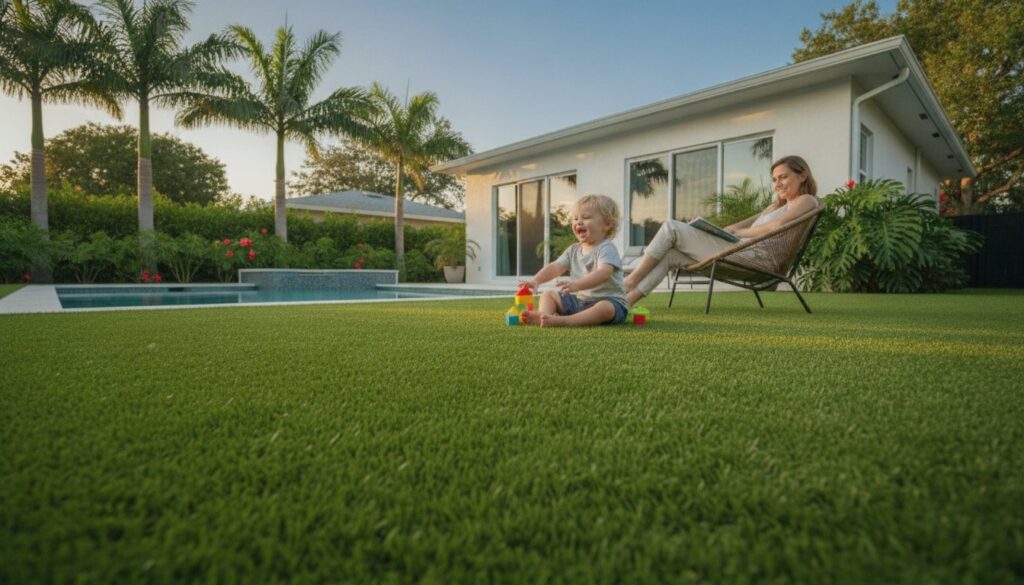
As of May 2026, the standard for a safe backyard in Florida has officially changed, making “non-toxic” a legal requirement rather than just a marketing buzzword. You want a lush, green space where your children and pets can play freely, yet it’s natural to feel a sense of unease regarding “forever chemicals” like PFAS or lead content often found in older turf products. You deserve a landscape that enhances your lifestyle without compromising the health of your family or the South Florida environment. This guide provides a clear, actionable framework to help you identify and verify truly non toxic artificial grass that meets the strict new Florida Department of Environmental Protection standards under Rule 62-308.100. We will explore the specific manufacturing certifications you must require, the latest innovations in PFAS-free materials, and how to choose an installation system that prioritizes long-term safety as much as aesthetic excellence. By the end of this checklist, you’ll have the professional confidence to vet any installer and ensure your new play area or lawn is a genuine sanctuary for your home and community.
Key Takeaways
- Learn to distinguish between basic lead-free claims and the comprehensive PFAS-free manufacturing standards required by 2026 Florida regulations.
- Discover how to identify high-safety pigments and materials that prevent chemical exposure in residential lawns and play areas.
- Evaluate the safety of various infill options, moving beyond traditional crumb rubber to organic and antimicrobial alternatives.
- Follow a 10-point verification framework to confirm the safety profile of non toxic artificial grass before your project begins.
- Explore how custom engineering ensures your synthetic lawn remains resilient and safe under the unique demands of the South Florida sun.
What Defines Truly Non-Toxic Artificial Grass in 2026?
Truly non toxic artificial grass represents a significant advancement in material science and environmental responsibility. It is no longer sufficient to simply claim a product is “lead-free” or “safe for children.” In 2026, a non-toxic profile requires a comprehensive absence of intentionally added per- and polyfluoroalkyl substances (PFAS), often referred to as “forever chemicals,” and a complete lack of heavy metal stabilizers. This shift is largely driven by Florida’s House Bill 683 and the Department of Environmental Protection’s Rule 62-308.100, which establish strict statewide standards for residential turf installations. These regulations ensure that your landscape does not introduce harmful byproducts into the South Florida ecosystem or your family’s living space.
There is a critical distinction between products marketed as “safe for pets” and those that are medically non-toxic. Many retail-grade options focus on antimicrobial coatings to manage odors, yet they may still contain trace manufacturing chemicals that off-gas in the heat. A medically non-toxic system involves total chemical transparency from the blades to the backing. Manufacturing origin plays a vital role in this transparency. Products engineered and produced within the United States generally adhere to more rigorous oversight and verifiable material sourcing than unverified imports, providing a higher level of security for homeowners in Miami and Fort Lauderdale.
Key Certifications to Look For
To verify the safety of your installation, you must look beyond the sales pitch and examine specific certifications. IPEMA certification is essential for play areas, as it confirms the turf system meets high standards for both material safety and impact absorption. Additionally, the Synthetic Turf Council (STC) provides guidelines that help define the quality and safety of professional-grade materials. Third-party lab testing for heavy metals and PFAS is now a non-negotiable requirement. You should always request a recent certificate of analysis from the manufacturer to confirm that the specific batch of turf being installed in your yard meets these 2026 safety benchmarks.
The Evolution of Turf Safety Standards
The industry has undergone a major transformation, moving away from the lead-based pigments that were common in early synthetic products. Modern, high-end turf uses organic, safe colorants that are chemically stable and designed for direct skin contact. For a foundational overview of artificial turf, it is helpful to understand how the technology has matured from basic industrial applications into sophisticated, nature-inspired designs. Today’s professional-grade solutions are 100% recyclable and VOC-free. This means they do not release volatile organic compounds, even under the intense South Florida sun. This specialized engineering creates a significant gap between professional-grade solutions and the retail-grade “fake grass” found in big-box stores, which often lacks the same level of safety verification.
Chemicals of Concern: The Red Flags in Synthetic Turf
South Florida’s intense UV radiation and high humidity create a unique environment where material integrity is tested daily. Under the Miami sun, lower-quality materials can degrade, potentially releasing chemical compounds into the air and soil. Identifying red flags early is the only way to guarantee your installation is truly non toxic artificial grass. While lead was the primary concern a decade ago, the focus has now shifted toward a broader spectrum of manufacturing additives that can impact long-term health.
PFAS, or per- and polyfluoroalkyl substances, are often used as lubricants during the extrusion process to prevent the turf blades from sticking to the machinery. These “forever chemicals” are persistent in the environment and have been linked to various health issues. High-end manufacturers have transitioned to PFAS-free processing aids, but cheaper alternatives still rely on these legacy chemicals. Similarly, while lead pigments are largely phased out in the U.S., some imported products still use heavy metal stabilizers like cadmium or hexavalent chromium to maintain color vibrancy in harsh climates. Verification requires more than a label; it requires documentation.
Identifying PFAS-Free Manufacturing
The gold standard for 2026 is a manufacturer’s affidavit confirming “total fluorine” testing. Since PFAS is a broad category of thousands of chemicals, testing for total fluorine is the most reliable way to ensure no hidden additives are present. You should ask your installer for specific test results that prove the blades and the backing were produced in a PFAS-free environment. This level of professional-grade safety verification is what separates a specialized installation from a standard landscaping project.
The Truth About Antimicrobial Coatings
Pet owners often seek antimicrobial properties to manage bacteria and odors. It’s vital to distinguish between built-in silver-ion technology, which is physically integrated into the turf blades, and topical chemical sprays. Topical biocides can wash away during heavy Florida rains, potentially entering the local water table. In contrast, silver-ion technology provides a safe, non-leaching method for maintaining a hygienic surface. For residential lawns, choose materials that achieve cleanliness through mechanical design and safe, integrated elements rather than harsh chemical applications.
Finally, consider the behavior of volatile organic compounds (VOCs). In the heat of a Fort Lauderdale afternoon, the “new carpet” smell of cheap turf is actually a sign of off-gassing. Non-toxic turf systems are engineered to be VOC-free, ensuring that even when surface temperatures rise, the air quality in your backyard remains pristine. Balancing fire safety is also key; look for products that meet Class A fire ratings using non-halogenated flame retardants, which provide protection without the toxic smoke profile of older chemical treatments.
The Infill Factor: Why the Material Under the Blades Matters
While the blades of your lawn provide the aesthetic appeal, the infill serves as the essential foundation that keeps those fibers upright and protects the turf backing. In older or lower-quality installations, this material is often the primary source of chemical exposure. Achieving a truly non toxic artificial grass system requires looking beneath the surface at the granular materials that fill the space between the blades. Traditional crumb rubber, derived from recycled tires, has long been criticized for its heavy metal content and the release of volatile organic compounds during hot Florida afternoons. Modern safety standards have replaced these legacy materials with cleaner, more stable alternatives that prioritize both environmental health and respiratory safety.
Respiratory health is a particular concern in residential play areas. Standard silica sand can produce fine dust that is easily inhaled, especially as it breaks down over years of use. For a premium South Florida installation, we recommend dust-free, non-silica or high-purity coated infills. These materials are engineered to resist pulverization, ensuring that even after a decade of foot traffic, your lawn doesn’t become a source of airborne particulates. The choice of infill also dictates how the system handles our local weather. In a climate where heavy downpours are followed by intense humidity, the infill must remain stable and resist the growth of mold or mildew.
Safe Infill Options for 2026
Homeowners today have access to sophisticated materials that were previously reserved for professional sports fields. These options provide safety without sacrificing performance.
- Coated Silica Sand: This is the current standard for pet-friendly and non-toxic lawns. Each grain is encapsulated in a durable coating that prevents dust and often includes integrated antimicrobial agents to manage odors.
- Organic Infills: Materials like cork and coconut husk are increasingly popular for those seeking a natural feel. These options provide excellent impact absorption and are naturally cooling.
- Zeolite: A natural volcanic mineral, zeolite is highly effective at neutralizing ammonia in pet urine without the use of chemical additives or perfumes.
The Heat Factor in South Florida
The intense sun in Miami and Fort Lauderdale can cause synthetic surfaces to radiate heat, but the right infill significantly mitigates this effect. Non-toxic, light-colored infills reflect more solar energy than dark rubber alternatives. This reduces the overall thermal mass of your lawn, helping it cool down much faster once the sun sets or a typical afternoon rain shower passes. High-density organic infills also hold a small amount of moisture, creating a natural evaporative cooling effect that keeps surface temperatures comfortable for bare feet and paws. By selecting an infill that doesn’t trap heat or bacteria, you ensure your outdoor space remains a healthy, inviting retreat throughout the most humid months of the year.
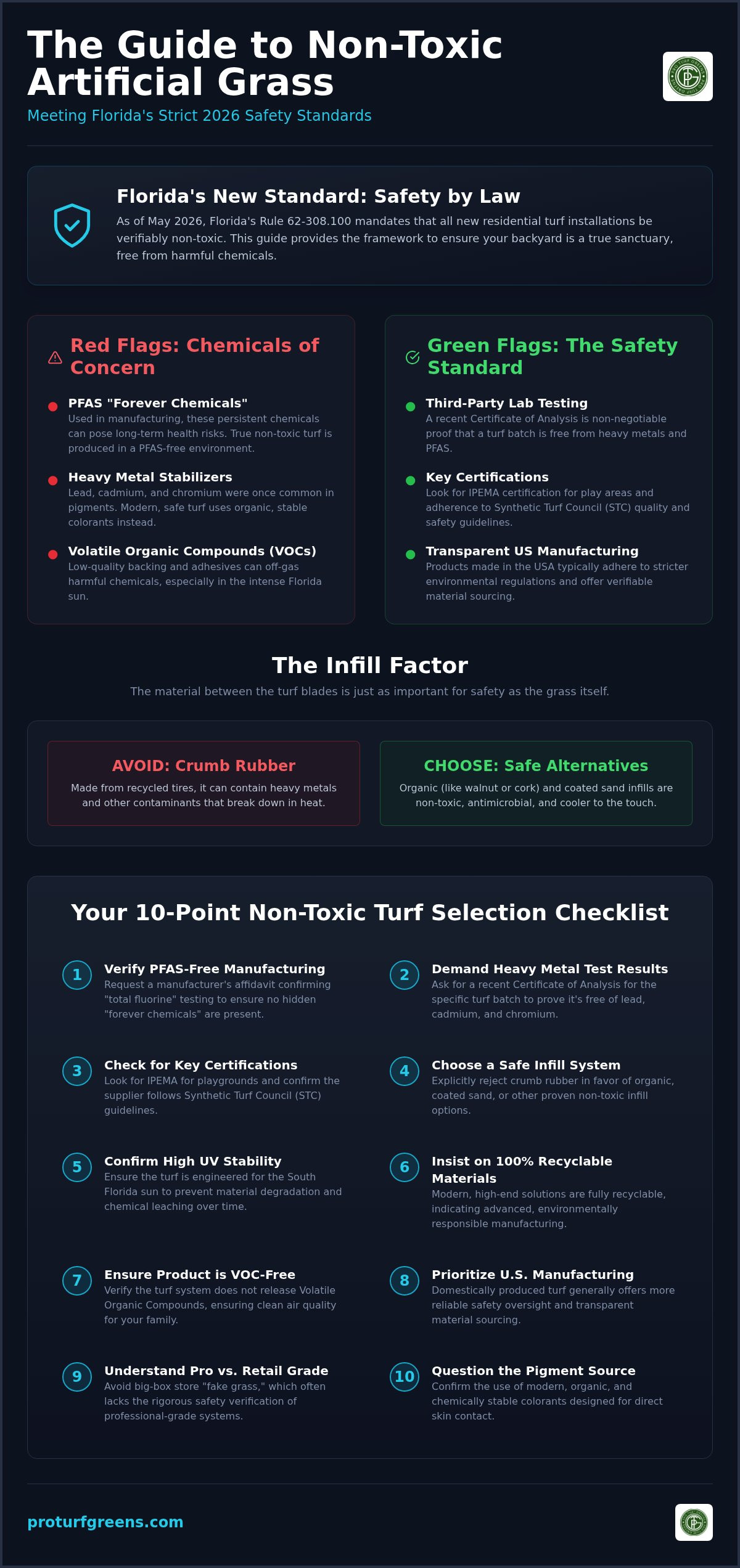
Your 10-Point Non-Toxic Turf Selection Checklist
Selecting the right material for your home requires a systematic approach that moves beyond aesthetic preferences. To ensure you are installing truly non toxic artificial grass, use this comprehensive checklist to verify every component of the system. Verifiable safety is built on documentation, not just verbal assurances. By following these steps, you’ll secure a landscape that is as healthy as it is beautiful.
- Lab Test Verification: Request current, third-party lab results that confirm the turf is 100% lead-free.
- PFAS-Free Confirmation: Ensure the manufacturer uses a PFAS-free process and can provide an affidavit for “total fluorine” testing.
- IPEMA Certification: If your project includes a play area, confirm the system is IPEMA certified for safety and impact.
- Backing Material: Inspect for high-quality polyurethane or polyolefin backings that are naturally VOC-free.
- Infill Specifics: Request a non-toxic infill recommendation, such as coated silica or organic materials, tailored to your specific usage.
- UV Stability: Confirm that UV stabilizers are organic and free from heavy metal additives.
- Fire Safety: Verify a Class A fire rating achieved without toxic halogenated flame retardants.
- Adhesive Purity: Ensure all seams are secured with solvent-free, non-toxic adhesives.
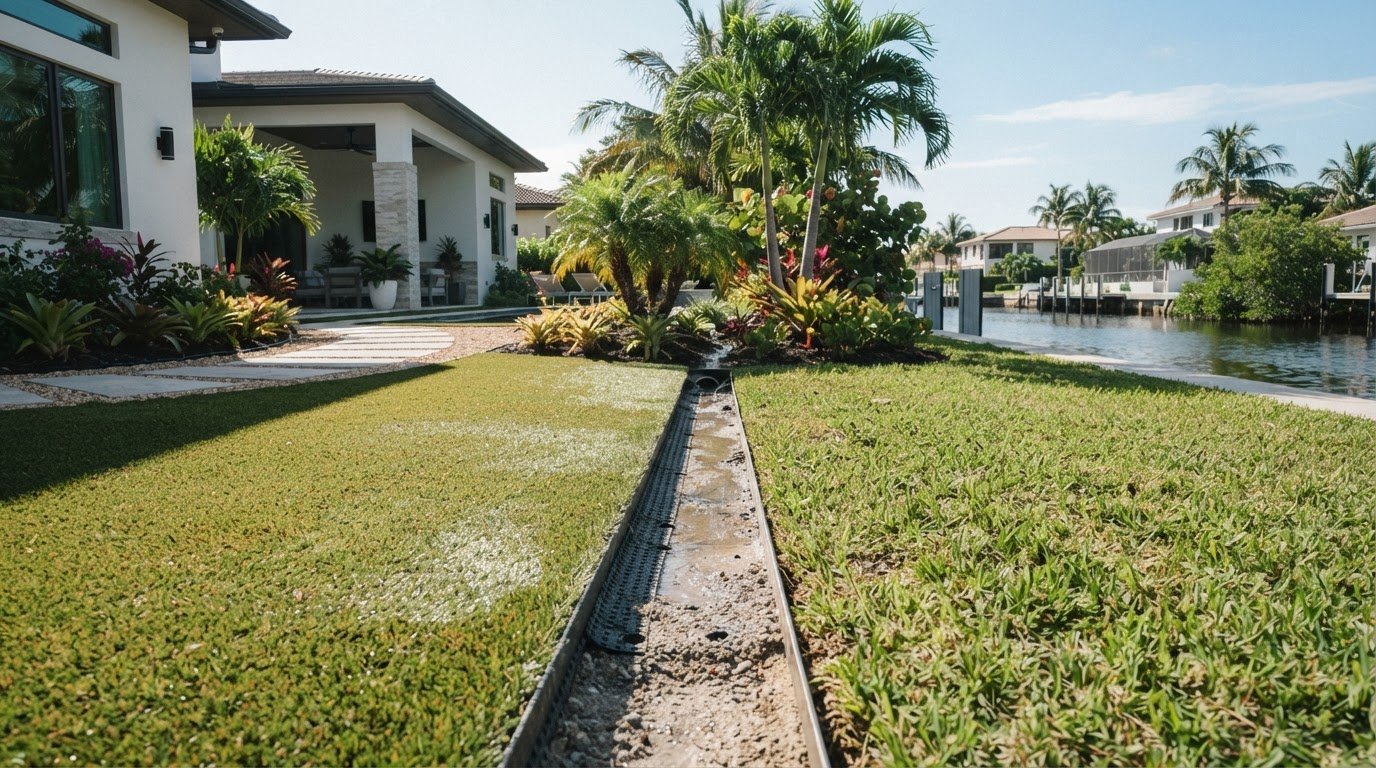
- Drainage Performance: Check that the system offers high-flow drainage to prevent stagnant water and mold.
- Warranty Clarity: Review the warranty to ensure it covers material integrity and safety standards over the long term.
Consultation Questions for Your Installer
A dedicated partner will welcome technical questions about their materials. When you meet with a potential installer, ask to see the Material Safety Data Sheet (MSDS) for both the turf and the infill. You should also ask: where are the raw polymers sourced, and can you verify the purity of the resin used in the extrusion process? Inquire if they use non-toxic, solvent-free adhesives for the seams and edges to prevent off-gassing. Finally, ask how they handle drainage to prevent mold and mildew without relying on harsh chemical biocides. These answers will reveal the installer’s commitment to a high-safety environment.
Installation Site Safety
The safety of your new lawn begins before the first roll of turf is laid. Ensure the base layer consists of clean, crushed stone rather than contaminated recycled materials. It’s also vital to verify that no chemical weed killers are used during the site preparation phase, as these can linger beneath the turf. For projects involving children, checking for proper playground turf safety standards florida during the build is a critical step. If you’re ready to design a custom, safe outdoor space, you can schedule a free consultation with our local experts today.
Safe Play and Design with Pro Turf Greens in South Florida
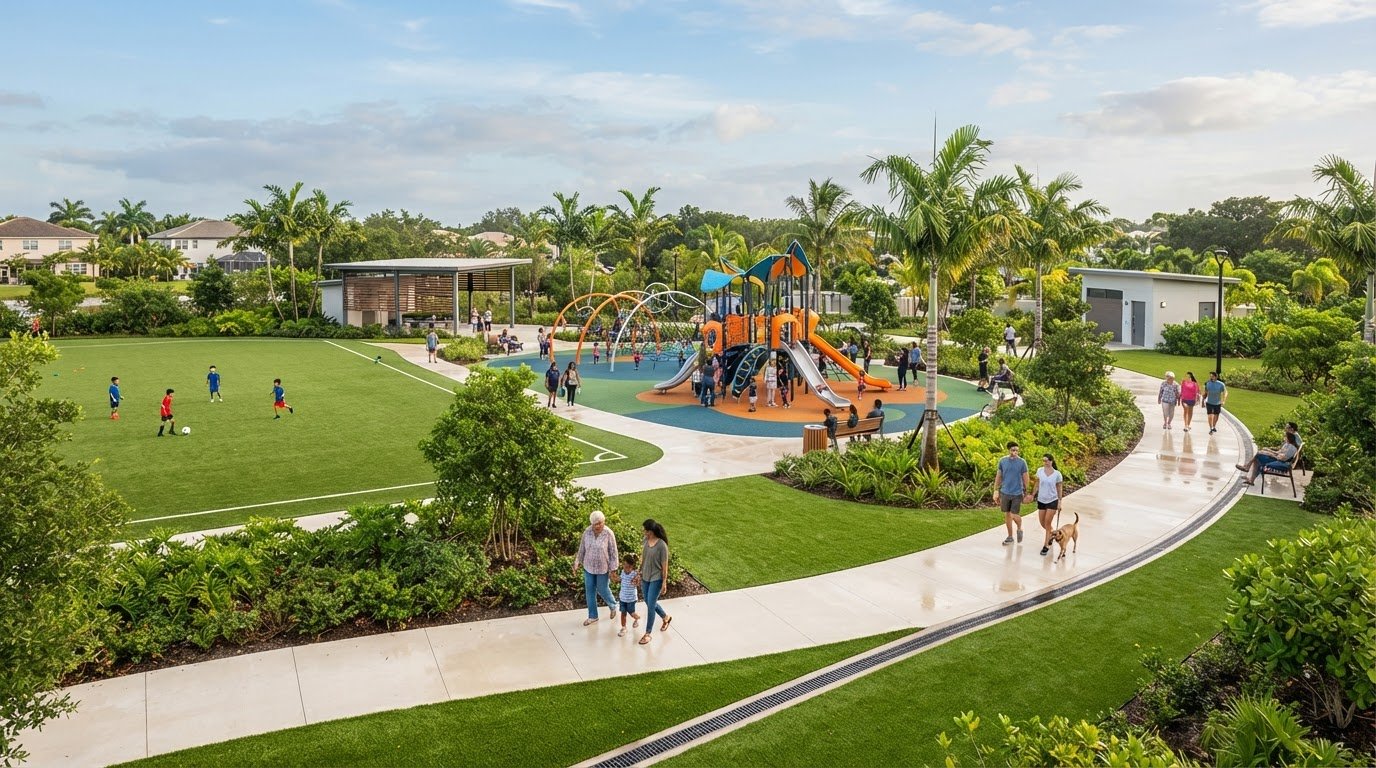
Pro Turf Greens approaches every project as a partnership in transformation. For homeowners in Fort Lauderdale and Miami, the goal is to merge high-end aesthetics with the rigorous safety standards discussed throughout this guide. We don’t just roll out a product; we engineer a complete environment. This involves integrating soft fall zones that meet impact requirements and installing non-toxic drainage systems that handle our tropical downpours without fostering mold. High-quality, professional-grade materials are the baseline, but our meticulous craftsmanship ensures those materials perform reliably for years to come. By focusing on longevity and resilience, we turn a simple yard into a sustainable lifestyle upgrade that requires zero chemical fertilizers or pesticides.
Local Expertise for High-End Florida Homes
Our team understands that a backyard in Boca Raton or Weston faces different environmental stressors than one in a cooler climate. We specialize in designing non-toxic artificial grass for safe play areas that won’t degrade under the relentless Florida sun. Intense UV exposure can break down inferior plastics, leading to the off-gassing issues mentioned earlier. By selecting resilient, specialized fibers and stable backings, we provide a solution that thrives in our heat without releasing harmful compounds. For health-conscious owners, a Miami artificial turf consultation offers a chance to review material samples and verify the 2026 chemical-free certifications in person. This local knowledge is vital for ensuring your non toxic artificial grass remains a healthy sanctuary throughout the year.
Next Steps for Your Safe Turf Project
Transitioning to a synthetic lawn is a significant investment in your home’s value and your family’s well-being. When you schedule a free safety-focused consultation with our South Florida team, we’ll walk you through the technical specifications of our pet-friendly and playground turf systems. You’ll learn how our custom-tailored solutions address your specific drainage needs and usage patterns. Our professional design process is transparent and methodical, ensuring every detail, from the base layer to the final infill, meets our zero-compromise safety standards. We take pride in delivering results that are both functional and visually stunning. Contact Pro Turf Greens today at 561-221-1010 to begin building a beautiful, non-toxic environment that your children and pets can enjoy with total peace of mind.
Securing a Healthier Future for Your South Florida Landscape
Transforming your backyard into a pristine sanctuary requires a commitment to both aesthetic excellence and rigorous safety standards. By following the 2026 checklist, you ensure that every component of your lawn, from the PFAS-free blades to the antimicrobial infill, meets the highest environmental benchmarks. It’s clear that non toxic artificial grass is no longer an optional upgrade; it’s a fundamental requirement for protecting your family and pets in our unique tropical climate. Whether you’re designing a high-safety playground or a custom backyard putting green, the right materials provide lasting peace of mind.
Pro Turf Greens specializes in high-performance installations across Fort Lauderdale, Miami, and the Palm Beaches. Our team combines technical expertise with meticulous craftsmanship to deliver results that are as safe as they are beautiful. If you’re ready to upgrade your outdoor lifestyle with 2026-standard materials, we’re here to guide you through the process. Schedule Your Free Non-Toxic Turf Consultation in South Florida today. We look forward to helping you create a vibrant, chemical-free environment that you’ll enjoy for years to come.
Frequently Asked Questions
Is all artificial grass non-toxic in 2026?
No. While Florida’s House Bill 683 mandates non-toxic standards for residential properties under one acre, older stock or unverified imports may still contain legacy chemicals. You must verify that your specific product meets the DEP’s Rule 62-308.100. High-end manufacturers have transitioned to PFAS-free and lead-free processes; however, checking for a certificate of analysis remains the only way to guarantee that your non toxic artificial grass is truly safe for your home.
Can non-toxic artificial grass be used for dog runs safely?
Yes, this material is specifically engineered for the safety and hygiene of pet environments. These systems utilize non-leaching antimicrobial technology and specialized backings that prevent bacteria buildup. When paired with a natural mineral infill like zeolite, the dog run stays fresh without the need for harsh chemical deodorizers. This ensures your pets are never exposed to irritants while they play or rest in the yard. It’s a durable, health-conscious solution for any pet owner.
How do I know if my existing artificial turf contains lead?
Testing is the only definitive method, as lead pigments were common in turf manufactured before 2008. You can use a lead check swab for a preliminary result, but a professional laboratory analysis of a small sample is more accurate. If your turf was installed recently by a reputable local expert, it is likely lead-free. Older retail-grade products frequently lack the documentation required to prove their safety profile to modern, 2026-compliant standards.
What is the safest infill for a children’s playground in Florida?
The safest options are coated silica sand or organic materials like cork and coconut fiber. These infills are dust-free, which protects children’s respiratory health during active play. Unlike traditional crumb rubber, these alternatives don’t contain heavy metals or VOCs that off-gas in the heat. For playground environments, we prioritize IPEMA-certified systems that combine these safe infills with high-performance shock pads for maximum impact protection and long-term health in the South Florida sun.
Does non-toxic turf get hotter than regular synthetic grass in the sun?
No, non-toxic options often stay cooler because they utilize advanced cooling fibers and light-colored, reflective infills. While all synthetic surfaces absorb some heat, the absence of dark crumb rubber significantly reduces thermal retention. Modern engineering allows these materials to dissipate heat more efficiently. This ensures that your lawn remains comfortable for bare feet even during the peak intensity of a Miami summer afternoon. It’s a significant lifestyle upgrade for families who enjoy being outdoors.
What happens if my pet swallows a blade of non-toxic artificial grass?
Because the materials are chemically inert and free from heavy metals, a swallowed blade typically passes through a pet’s system without causing chemical toxicity. The primary concern with any synthetic fiber is potential digestive blockage rather than chemical poisoning. If you notice your pet regularly chewing on the turf, it’s best to consult a veterinarian. You can rest easy knowing the blades don’t contain harmful lead or PFAS that could leech into their system.
Are the adhesives used during installation also non-toxic?
Yes, a professional installation uses solvent-free, non-toxic adhesives to secure seams and edges. These specialized glues are designed to withstand Florida’s humidity without releasing volatile organic compounds (VOCs). It is vital to confirm that your installer avoids legacy industrial adhesives that may off-gas in the heat. Using pure, high-performance bonding agents ensures that the entire system remains safe for your family from the base up. We prioritize these safety standards in every project.
How long does a non-toxic artificial lawn typically last in South Florida?
A high-quality, professional-grade installation typically lasts between 15 and 20 years in the South Florida climate. The absence of toxic stabilizers doesn’t compromise durability; instead, modern UV inhibitors are engineered for superior resilience against our intense sun. Regular maintenance helps preserve the aesthetic excellence and functional safety of the lawn. This makes it a reliable, long-term lifestyle upgrade that stands up to our unique environmental stressors while providing a beautiful, chemical-free outdoor space.