What if the most useful reference for a turf project is how the work held up after installation? Knowing what to ask a turf contractor before hiring helps you look beyond polished photos and assess the experience behind them.
It’s reasonable to want clear evidence of reliable work before making a hiring decision. Ask for references from past clients and, where relevant, people who worked alongside the contractor, such as an architect or subcontractor. Find out whether the project stayed on schedule, how communication went, and whether the finished work met expectations.
This guide covers practical questions about references and reviews, licensing, insurance, experience, and credentials. Learn how to assess answers, review past work, and identify details worth discussing further. These checks give you a fuller picture of a contractor’s professionalism and help you choose with confidence.
Key Takeaways
- Ask for current licensing and insurance details, and understand how bonding applies to the project.
- Look for relevant turf project experience, then review photos and references to assess the quality of completed work.
- Read reviews for recurring patterns in communication, reliability, and how concerns were handled.
- Use clear, specific questions to judge whether a contractor’s experience and work approach suit your project.
1. Are you bonded, insured and licensed?
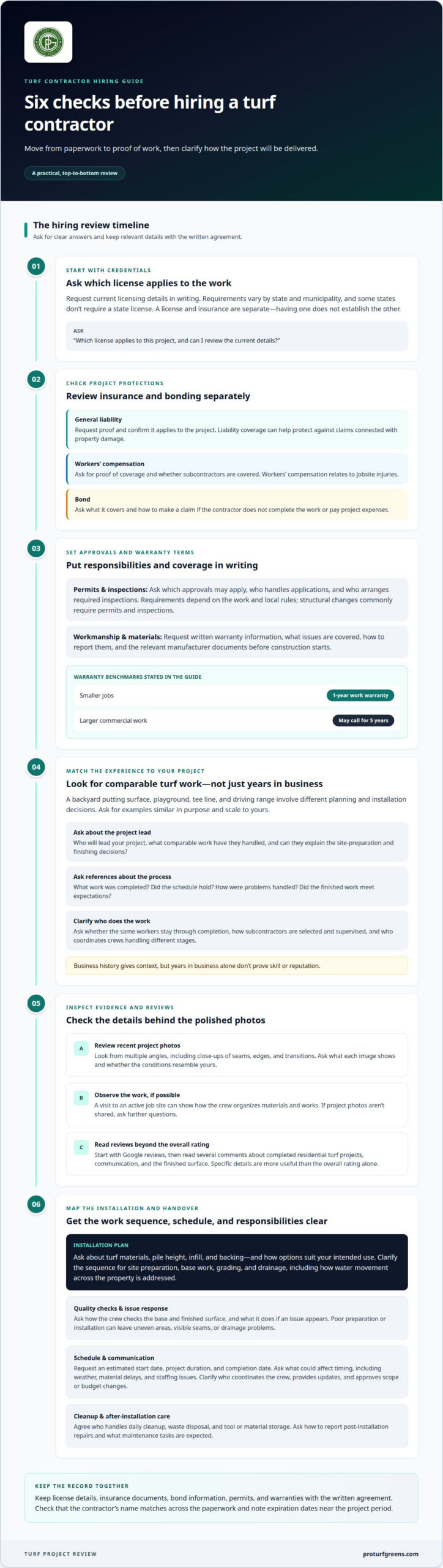
When deciding what to ask a turf contractor before hiring, begin with licensing, bonding, and insurance. Ask whether the contractor is licensed, bonded, and insured for the work, and request details in writing. Requirements vary by state and municipality, so the applicable rules depend on the project location. Ask about general liability and workers’ compensation coverage. A bond may offer protection if a contractor fails to finish work or pay project expenses. Also request references from clients with similar turf installations.
Ask the contractor to explain the turf materials, pile height, infill, and backing options, and how each suits your intended use. A tee line or driving range has different performance needs from a lawn, so request a comparison tailored to your project.
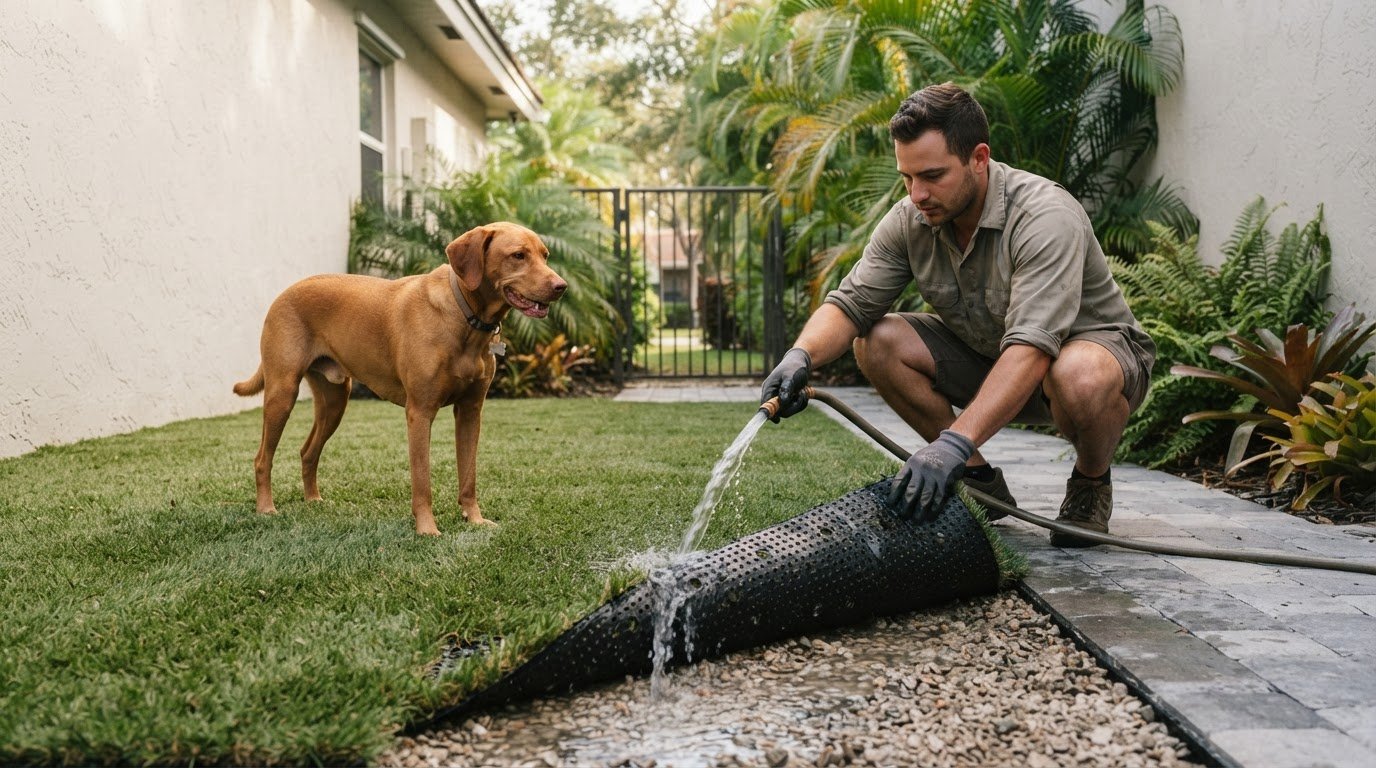
Ask how the ground will be prepared and drainage addressed. The contractor should explain the sequence of work, including site preparation, base work, grading, and drainage provisions, and how the design accounts for water movement across your property.
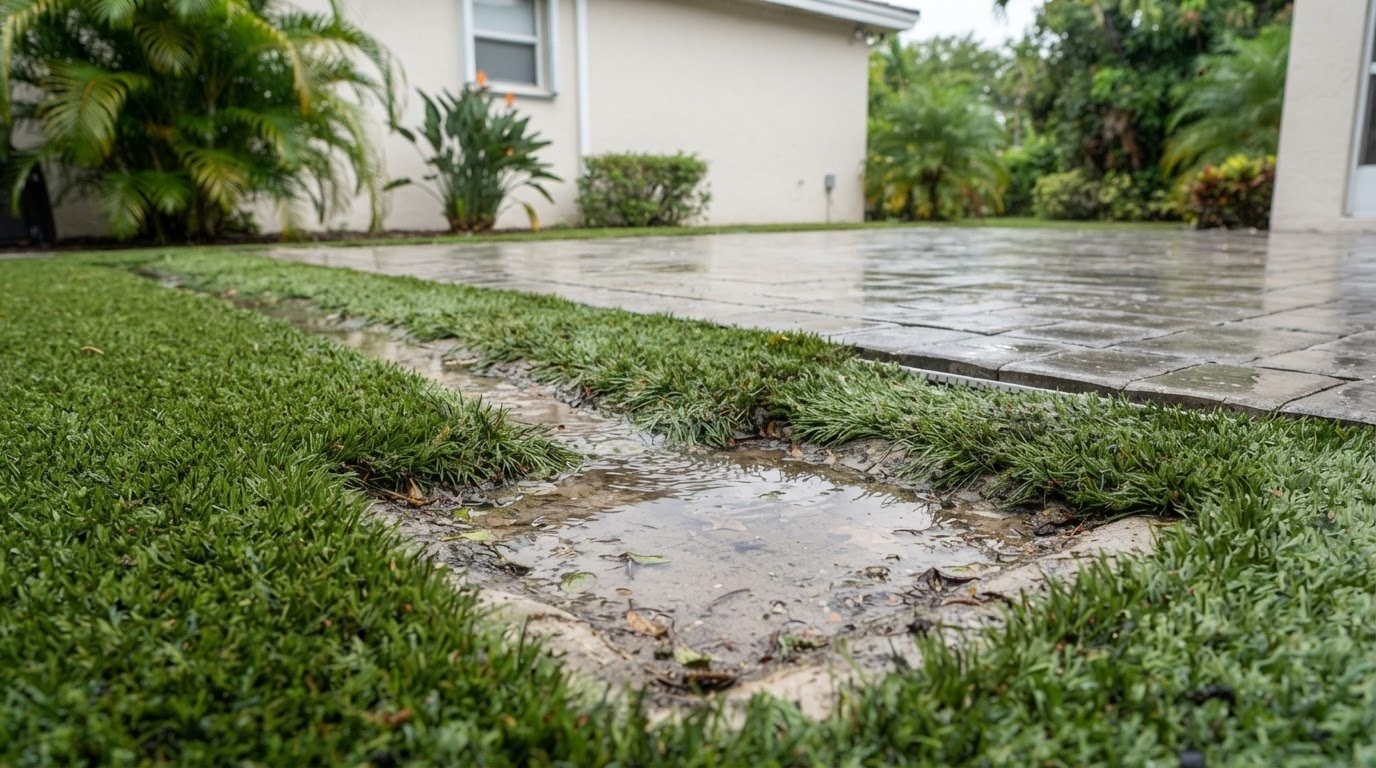
Poor preparation or installation can leave uneven areas, visible seams, or drainage problems. Ask how the crew checks the base and finished surface, and what it does if an issue appears. If a contractor can’t explain the work sequence or provide relevant project examples, ask further questions. These are useful points to include in what to ask a turf contractor before hiring.
Request an estimated start date, project duration, and completion date, then ask what could affect the schedule. Weather, material delays, and staffing issues can change timing. Clarify who coordinates the crew, who provides updates, and how changes to the scope or budget are approved. A written process helps you understand decisions before they affect the work.
Before work begins, agree on who handles daily cleanup, waste disposal, and storage of tools or materials. Ask how post-installation repairs are reported and what maintenance tasks are expected. Clear answers define responsibilities after installation.
2. Licensing and insurance
Licensing, insurance, and bonding address different risks, so ask about each separately. Requirements vary by state and municipality, and licensing rules can differ between neighboring areas. Some states don’t require contractors to hold a state license. Ask which license applies to the work and request current details. A license and insurance are separate, so one doesn’t establish the other.
Ask for proof of general liability and workers’ compensation insurance, then confirm that the coverage applies to the project. Liability coverage can help protect against claims connected with property damage, while workers’ compensation relates to jobsite injuries. Ask whether subcontractors are covered, too. If a bond is relevant, ask what it covers and how to make a claim if the contractor doesn’t complete the work or pay project expenses.
Permits and inspections depend on the work and local requirements. Ask which approvals may apply, who handles permit applications, and who arranges required inspections. Projects involving structural changes commonly require permits and inspections. The contractor’s written scope should identify who handles permits and related legal documentation, so responsibilities remain clear once work begins.
Discuss warranties before signing. Request written warranty information for both workmanship and materials, including what issues are covered and how to report them. Product warranties vary by manufacturer, so ask for the relevant documents before construction starts. A one-year work warranty is a useful benchmark for smaller jobs; larger commercial work may call for a five-year warranty.
Keep copies of the license details, insurance documents, bond information, permits, and warranties with the written agreement. Check that the contractor’s name matches across the paperwork, and note expiration dates that fall near the project period. If you’re planning a tee line or driving range, clear documentation can support a smoother turf project planning process from approval through completion.
3. Contractor experience, expertise, and credentials
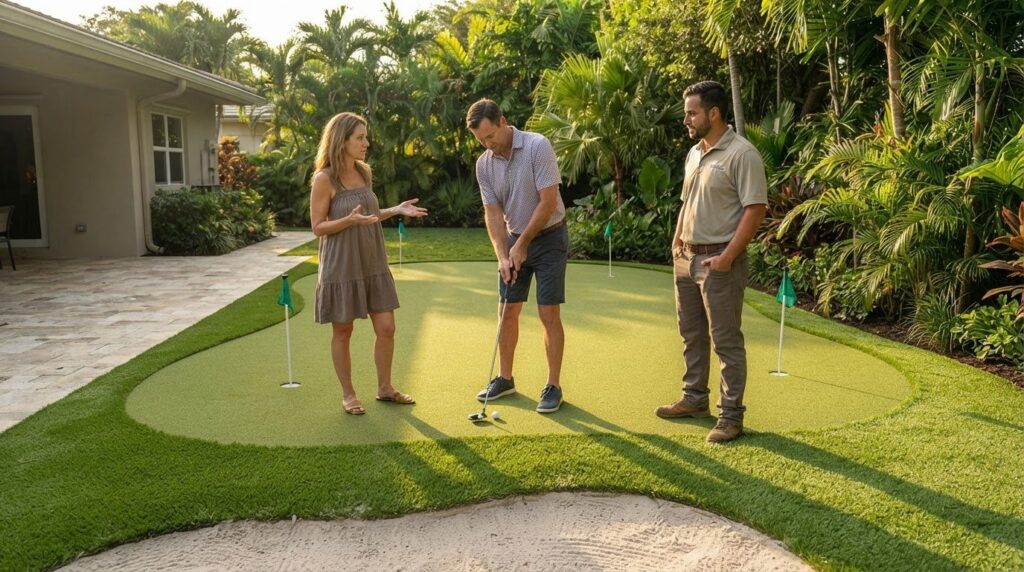
Ask for examples of completed turf projects similar in purpose and scale to yours. A backyard putting surface, playground, and driving range each involve different planning and installation decisions. Request references from past clients, then ask what work was completed, whether the schedule held, and how the contractor handled problems. A useful reference can describe the finished result and working process, not just confirm that the project took place.
Business history offers context, but years in business don’t prove skill or reputation. A newer company may have relevant experience from previous work or another city. Ask who will lead your project and what that person has handled before. For example, find out whether the lead installer has completed comparable turf work and can explain the decisions involved in preparing and finishing the site.
Review recent project photos from multiple angles, including close-ups of seams, edges, and transitions. Ask the contractor to explain what each image shows and whether the work involved conditions like yours. If possible, visit an active job site to observe how the crew organizes materials and works. If a contractor won’t share project photos, ask further questions before proceeding.
Ask what credentials and certifications cover and how they relate to turf installation. Don’t assume a certificate alone demonstrates experience with your project type. Ask whether the same workers will stay through completion, and how subcontractors are selected and supervised. If different crews handle site preparation and turf placement, clarify who coordinates their work. These questions reveal how responsibility is managed from the first installation steps to the finished surface.
4. Checking contractor reviews and ratings
Start with Google reviews, then look beyond the overall rating. Read several comments about completed residential turf projects, communication, and the finished surface. Specific details are more useful than brief praise because they explain what the contractor did and how the customer experienced the process. Note whether reviewers describe work similar to yours, such as a lawn, play area, or putting surface.
Look for patterns across reviews rather than treating one unusually positive or negative comment as decisive. Repeated mentions of missed appointments, unclear updates, or unresolved concerns can point to topics worth discussing. Consistent comments about arriving as scheduled and keeping commitments offer useful context. Also read how the contractor responds to criticism: a clear, respectful reply can show how concerns are addressed publicly.
Compare review comments with the promises and terms in the written proposal. If a reviewer mentions a delayed schedule, ask how updates are handled if your project faces a similar change. If a review mentions payment or the final bill, ask how the contractor documents approved changes and explains differences from the original scope. Reviews offer perspective, but they don’t replace clear written terms.
Check the Better Business Bureau rating and Yelp reviews alongside Google feedback. Each platform may show different customer experiences, so compare recurring themes rather than relying on one source. Give more weight to reviews that explain the project, timeline, communication, and outcome. A detailed account of a residential installation can be more relevant than a general rating without context.
Use what you learn to prepare focused questions before making a decision. Ask about any recurring concern that relates directly to your project, and invite a specific explanation of the contractor’s process. Then consider whether the answers align with the written scope and your expectations. To discuss your turf plans and project needs, start a turf project conversation.
Pro Turf Greens
Pro Turf Greens designs and installs artificial turf projects for residential and recreational spaces in Fort Lauderdale, Miami, Palm Beach, Boca Raton, Delray Beach, Jupiter, Palm Beach Gardens, Weston, and Coral Gables. Its work includes lawns and pet turf, putting greens, playground surfaces, tee lines, and driving ranges.
Bring your project goals and the questions that matter most to you. A conversation can clarify the type of turf project you’re considering and the details you want to understand before moving forward. Contact Pro Turf Greens to discuss your project and next steps.
Turn Your Turf Plans Into a Clear Next Step
Knowing what to ask a turf contractor before hiring gives you a stronger starting point, but the conversation should also shape a project around how you’ll use the space. Consider what matters most: a place to practice, a more usable play area, or a durable surface for everyday enjoyment. Clear priorities make it easier to discuss your project’s design and intended use.
Pro Turf Greens installs Backyard Putting Greens, Playgrounds & Recreational Turf, and Tee Lines & Driving Ranges. Bring your goals and remaining questions to a conversation about your plans. Discuss how a turf project could suit your property and intended use.
Contact Pro Turf Greens today to discuss your project. A thoughtful next step can help you move forward with confidence.
Frequently Asked Questions
Can you provide a list of references, ideally from a client, architect, and subcontractor?
Ask for references who can speak to different parts of the project. A past client can describe the finished work and communication; an architect may discuss coordination, while a subcontractor can describe how site work was managed. Ask each reference about their role and project type, then focus on details relevant to your own installation. Reference availability can vary by project.
Are any permits or inspections required for my project?
The need for permits or inspections depends on the project scope and local requirements. Ask the contractor to identify approvals that may apply to your property and clarify who handles applications and inspection arrangements. For example, a project involving structural changes may require a different review than a straightforward turf installation. Keep the agreed responsibilities in the written project documents.
Are you bonded, insured and licensed?
Ask which licenses apply to the work and request current documentation for licensing, liability insurance, workers’ compensation, and any bond. Requirements vary by state and municipality, and licensing and insurance are separate matters. Confirm that the paperwork names the contracting business and covers the proposed work. Ask who is responsible for providing updated documents if a policy expires during the project.
Do you have experience with similar projects?
Ask for examples that match your project’s purpose, site conditions, and scale. A lawn installation may not demonstrate experience with a golf practice area or recreational surface. Review photos for edges, transitions, and other visible details, then ask what challenges arose on comparable jobs. Specific examples can help you judge whether the contractor’s experience fits your project.
How long does your warranty on the work last?
Warranty terms vary, so ask for the workmanship warranty in writing before signing. Confirm when coverage begins, which installation issues it covers, how to submit a claim, and whether exclusions apply. Request separate documentation for turf materials, since manufacturers set product warranties and terms may differ from the contractor’s workmanship coverage. Keep both documents with your project agreement.
How long have you been in business?
Pro Turf Greens has over 20 years of experience in the artificial-turf industry. For added context, ask how that experience relates to your project type and who will oversee the work. The company serves South Florida communities including Fort Lauderdale, Miami, Palm Beach, Boca Raton, Delray Beach, Jupiter, Palm Beach Gardens, Weston, and Coral Gables.