
Did you know that on a typical July afternoon in Miami, standard synthetic grass can reach surface temperatures of 150°F, while the natural lawn next door stays a comfortable 95°F? If you’ve ever wondered how to keep artificial turf cool in florida, you aren’t alone. Many homeowners discover that the stinging heat underfoot can make beautiful outdoor spaces feel off-limits during the peak of summer. It’s a common frustration, especially when you want a safe, inviting area for your children and pets to play without worrying about burned paws or feet.
This guide provides a professional look at the science-backed technologies and strategic designs that transform a hot lawn into a refreshing sanctuary. We’ll explore the latest 2026 innovations, from infrared-reflective fiber shapes to high-performance cooling infills that can lower surface temperatures by up to 30°F. You’ll gain the expert validation needed to choose products that actually work in high humidity, ensuring your backyard remains a lush, comfortable upgrade for your lifestyle year-round. Our expertise in the local climate helps you move beyond simple utility to create a resilient, high-end outdoor space that your family can enjoy any time of day.
Key Takeaways
- Gain a deeper understanding of how thermal mass and South Florida’s UV index impact surface temperatures, allowing you to make more informed material choices for your home.
- Explore how to keep artificial turf cool in florida through advanced infrared-reflective coatings and lighter color palettes that significantly reduce heat absorption.
- Master the use of evaporative cooling infills and the quick syringing technique to maintain a refreshing environment for kids and pets even on the warmest afternoons.
- Learn how to integrate strategic landscaping elements, like native palms and architectural shade sails, to provide a natural canopy that protects your investment.
- Understand why professional sub-base engineering and precision site preparation are the foundational secrets to long-term heat dissipation and drainage excellence.
The Science of Heat: Why Artificial Turf Gets Hot in Florida
Florida’s sunshine is legendary, but it presents a specific challenge for high-end synthetic landscaping. To understand The Science of Heat: Why Artificial Turf Gets Hot, we must first examine the concept of thermal mass. Natural grass is a living organism that constantly regulates its own temperature through a process called transpiration. Synthetic turf is different. It’s composed of dense polymers that act like a storage cell for solar energy. These materials retain heat instead of releasing it, which causes the surface to feel significantly warmer than the surrounding air. Learning how to keep artificial turf cool in florida is a practical necessity for homeowners who want their backyards to remain usable during the peak of summer.
UV Absorption and Fiber Composition
Most premium installations utilize polyethylene or polypropylene fibers because they offer exceptional durability and a natural aesthetic. However, these specific plastics are very effective at absorbing ultraviolet radiation. On a bright day in Boca Raton, the intense UV index can drive surface temperatures 40 to 70 degrees higher than the actual air temperature. Professionals evaluate this thermal performance using the Solar Reflectance Index (SRI). The Solar Reflectance Index is a measurement that calculates a material’s ability to reflect solar radiation and emit thermal energy back into the atmosphere. Darker shades of green typically have lower SRI values. This means they soak up more energy and contribute to a localized heat island effect in your private retreat, making the choice of fiber and color a critical engineering decision.
The Florida Humidity Factor
The tropical conditions in Miami create a distinct environment for temperature control that differs from the desert heat of the Southwest. In arid climates, moisture evaporates rapidly to cool down surfaces, but Florida’s high humidity levels often keep the air saturated. This heavy atmosphere can stall traditional cooling processes, making the heat feel more oppressive and harder to dissipate. It’s common for luxury homes to feature walled-in backyards or dense privacy hedges. While beautiful, these features often lead to stagnant air. This lack of circulation traps a layer of heat directly against the ground, preventing the lawn from cooling down through natural airflow. Addressing these 2026 climate challenges requires a sophisticated approach to both material selection and site design to ensure your outdoor living space remains a comfortable sanctuary year-round.
Heat-Reflective Technology: Choosing the Right Turf Fiber
The first step in mastering how to keep artificial turf cool in florida involves selecting a fiber engineered for high solar reflectance. While standard synthetic grass might look similar to premium versions, the underlying technology varies significantly. High-performance models incorporate specialized polymers designed to resist heat retention from the moment of installation. This proactive approach ensures your lawn remains a functional part of your home even during the most intense summer afternoons.
Blade geometry plays a surprisingly large role in thermal regulation. Flat fibers tend to mat down over time, creating a dense, flat surface that absorbs maximum solar energy. In contrast, “W,” “U,” or “C” shaped fibers are designed to remain upright. This structural integrity does more than just mimic the look of natural grass; it creates micro-shadows within the turf profile. These shadows protect the lower layers of the lawn from direct sunlight, while the vertical orientation allows for superior air movement between the blades. By choosing these advanced shapes, you can significantly lower the surface temperature compared to traditional flat-bladed products.
The Role of IR-Reflective Pigments
Modern manufacturing has introduced pigments that specifically target the near-infrared spectrum of sunlight. This invisible light accounts for a large portion of the heat energy that hits your backyard. By integrating IR-reflective technology, the fibers bounce this energy away before the polymer can absorb it. This leads to a noticeable difference in perceived heat, which is how the surface feels to your skin. It’s why this technology is a standard requirement for high performance sports turf. Athletes and active families need a surface that stays resilient and comfortable under the intense Florida sun, regardless of the humidity levels.
Fiber Density and Air Circulation
It’s a common misconception that more density always leads to a better lawn. While a thick, plush feel is often desired, ultra-dense turf can act as an insulator that traps warm air near the backing. Achieving the right balance is essential for a cool backyard. A well-designed turf profile features a specific thatch height and density that permits air to flow freely. This circulation helps dissipate heat naturally, preventing the heat island effect common in lower-quality products. If you’re planning a new project, exploring professional-grade turf options can help you find a style that balances aesthetic luxury with the thermal comfort your family deserves. Lighter green shades also contribute to this cooling effect, as they reflect a broader spectrum of light compared to darker, forest-green alternatives.
Cooling Infills: The Engine of Temperature Regulation
While heat-reflective fibers provide a strong defense against solar radiation, the infill layer acts as the active cooling system for your synthetic lawn. Understanding how to keep artificial turf cool in florida requires looking beneath the surface at the granules tucked between the blades. Infill does more than just weigh the turf down or keep fibers upright; it serves as a thermal regulator that can significantly alter the comfort of your outdoor space. By selecting advanced, moisture-retaining materials, you turn your lawn into a dynamic environment that responds to the heat rather than simply absorbing it.
One of the most effective maintenance habits for South Florida homeowners is a technique called syringing. This involves a brief, two-minute rinse with a garden hose during the hottest part of the afternoon. This simple action doesn’t just wet the surface. It recharges the cooling properties of specialized infills, allowing them to provide hours of relief. Scientific data from 2026 suggests that a well-maintained cooling infill can reduce surface temperatures by 15 to 30 degrees compared to standard silica sand. This makes the difference between a yard that’s too hot to touch and a safe play area for your family.
How HydroChill Technology Works
HydroChill is a sophisticated pre-treatment for infill that utilizes the power of evaporative cooling. It works much like a natural sweat system for your lawn. When the infill is hydrated by rain or a quick rinse, it stores moisture and releases it slowly over a period of 48 to 72 hours. The latent heat of vaporization is the scientific principle where water absorbs significant thermal energy from the turf as it transforms into a gas, effectively pulling heat away from the surface. Because of this consistent cooling effect, it’s often considered the best infill for pet turf in Fort Lauderdale and surrounding areas. It ensures that even on the most humid days, the lawn remains manageable for sensitive paws. The same cooling performance that benefits backyard lawns is equally critical for artificial turf for daycare centers, where children spend extended hours playing on the surface throughout the Florida summer.
Zeolite: Odor Control and Cooling Combined
Zeolite is a naturally occurring volcanic mineral with a unique, honeycomb-like molecular structure. This porosity allows it to hold a substantial amount of water, which aids in the evaporative cooling process. For pet owners, Zeolite offers the added benefit of neutralizing ammonia at the molecular level, preventing the buildup of odors in high-traffic dog runs. It’s a staple in South Florida pet parks because it addresses both heat and hygiene simultaneously. To maintain its effectiveness during the drier winter months, a light weekly watering is recommended to keep the mineral hydrated. In 2026, industry standards suggest a minor replenishment of these granules every 18 to 24 months to account for natural settling and ensure your cooling system continues to perform at its peak.

Environmental Design: Strategic Landscaping for Cooler Lawns
While high-tech fibers and cooling infills provide a powerful foundation, the surrounding environment plays a decisive role in how to keep artificial turf cool in florida. A holistic design approach considers the movement of air, the angle of the sun, and the placement of vertical elements to prevent heat from pooling in your backyard. By treating your lawn as part of a larger ecosystem, you can create a microclimate that remains significantly cooler than a standard, unshaded installation.
Strategic palm placement is one of the most effective ways to introduce dappled shade without sacrificing the tropical aesthetic. Unlike dense oaks that might drop heavy debris, native palms like the Sabal or Alexander provide a light canopy that allows enough light for visibility while breaking the direct intensity of the UV rays. For high-traffic areas, architectural solutions like shade sails or pergolas offer reliable protection during the peak afternoon hours, ensuring your lawn remains comfortable for children and pets.
Natural Shade and Airflow Optimization
Airflow is often the secret weapon for cooling turf in humid regions like Weston and Boca Raton. When designing your space, it’s vital to avoid tall, solid privacy walls that trap stagnant air. Instead, using native Florida shrubs as a wind buffer or choosing open-slat fencing can encourage a steady breeze to move across the surface. This is particularly important when you integrate your lawn with multi sport game court turf, where high-intensity activity requires a consistently ventilated environment. While misters lower the ambient temperature for people, a well-planned layout that promotes natural cross-ventilation provides a more sustainable cooling effect for the turf itself.
Addressing Window Reflection (Magnification)
One often overlooked threat to synthetic lawns is the magnification effect caused by modern energy-efficient windows. Low-E glass is designed to reflect solar heat away from your home, but this reflection can act like a magnifying glass, focusing a concentrated beam of sunlight onto specific sections of your yard. These ‘hot spots’ can reach temperatures high enough to damage even the most resilient synthetic fibers. Identifying these reflection patterns during the design phase is essential for long-term satisfaction. Solutions like exterior window screens or specialized non-reflective films can protect your investment while contributing to the overall goal of how to keep artificial turf cool in florida. To ensure your backyard layout is optimized for both beauty and thermal safety, partner with the experts at Pro Turf Greens for a custom site evaluation.
Why Professional Installation is Key to a Cooler Lawn
Achieving a comfortable outdoor space requires more than just high-quality materials; it demands a deep understanding of sub-surface engineering. Many homeowners focus solely on the turf blades, but the foundation beneath the green is what truly dictates how to keep artificial turf cool in florida. A professional installation ensures that every layer of the system, from the geotextile fabric to the final infill application, is optimized for the unique thermal demands of the South Florida climate. Without this precision, even the most advanced heat-reflective fibers can underperform if the base traps heat or prevents moisture from reaching the cooling infills.
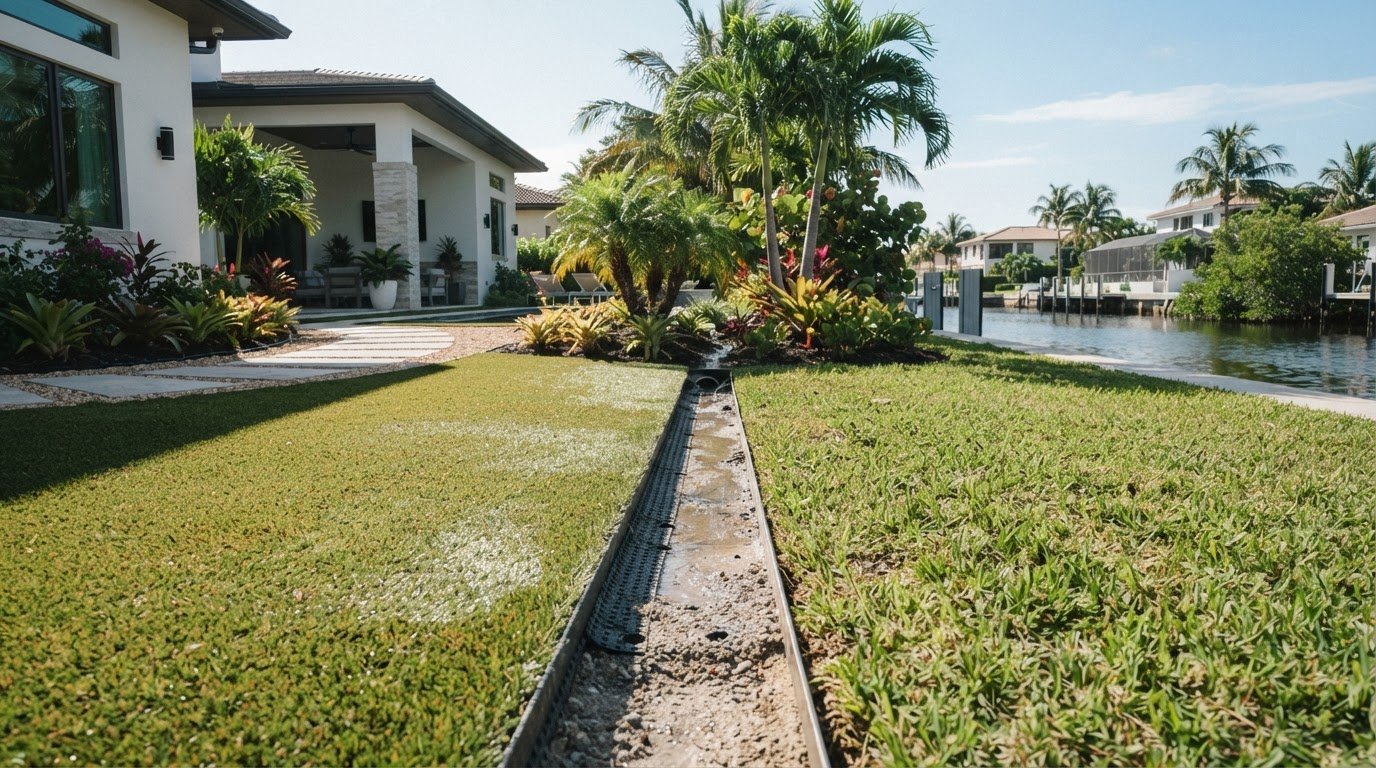
Precision grading is another critical factor in temperature regulation. When a lawn is perfectly contoured, it allows for uniform moisture distribution during rainfall or syringing. Proper drainage prevents water from pooling, which can otherwise create localized humidity pockets that trap heat near the ground. At Pro Turf Greens, we prioritize the use of permeable sub-bases that meet or exceed the 2026 Florida Department of Environmental Protection standards. This commitment to drainage excellence ensures that your lawn can dissipate heat effectively, keeping the surface significantly cooler than DIY alternatives. These same professional standards are essential when installing safe and compliant artificial turf for daycare centers, where proper drainage and surface temperature management directly impact child safety.
Base Preparation and Thermal Regulation
The choice of aggregate material in your sub-base significantly affects the thermal conductivity of your entire lawn system. While some installers might use granite fines, we often find that crushed limestone provides superior drainage and stability in our tropical environment. A well-engineered base allows cooling water to move freely, facilitating the evaporative process that keeps temperatures low. This level of technical expertise is especially vital for specialized projects like backyard putting green installation, where the density of the turf requires a highly responsive drainage system to maintain professional-grade performance and comfort.
Schedule Your South Florida Consultation
Protecting your investment starts with a comprehensive site evaluation. During a Pro Turf Greens thermal assessment, we analyze the sun’s path, identify potential reflection hot spots from windows, and recommend the ideal combination of IR-reflective fibers and cooling infills. We provide customized solutions for every part of your property, including heat-mitigation strategies for a custom turf driveway design. Our goal is to deliver a transformation that balances aesthetic excellence with long-term resilience. If you’re ready to learn more about how to keep artificial turf cool in florida and want a lawn that remains a sanctuary year-round, contact Pro Turf Greens at 561-221-1010 for a consultation and a free estimate.
Elevate Your Outdoor Living Experience
Creating a comfortable backyard in the South Florida heat is no longer a matter of guesswork; it’s a result of specialized engineering and thoughtful design. By integrating infrared-reflective fiber technology with advanced evaporative infills, you can effectively master how to keep artificial turf cool in florida. These innovations, combined with strategic landscaping and professional sub-base preparation, ensure your lawn remains a lush, safe sanctuary for your children and pets even during the peak of summer. You’ve seen how the right materials and design choices transform a scorching surface into a refreshing retreat.
Pro Turf Greens brings deep expertise in South Florida’s unique climate to every project, offering professional-grade heat-reflective turf and custom cooling infill solutions tailored to your specific site. Our commitment to craftsmanship means you don’t have to choose between aesthetic excellence and thermal comfort. Ready to transform your property into an aspirational retreat? Request a Free Thermal Assessment for Your Florida Turf Project and discover the difference that precision engineering makes. Your dream lawn is within reach, and it’s cooler than you ever imagined.
Frequently Asked Questions
Does artificial turf get too hot for dogs’ paws in Florida?
Standard synthetic grass in direct sun can reach temperatures between 100 and 150 degrees Fahrenheit, which is certainly too hot for unprotected paws. To ensure a safe environment for your pets, it’s vital to implement cooling strategies. Using heat-reflective fibers and specialized infills can bring these temperatures down to a manageable level. Checking the surface with your hand before letting dogs out is always a smart precaution during the peak summer hours.
How much cooler is heat-reflective turf compared to standard options?
Heat-reflective turf technology typically reduces surface temperatures by about 15 to 30 degrees compared to standard options when paired with the right infill. This is a significant difference that moves the lawn from “unusable” to “comfortable.” When you are researching how to keep artificial turf cool in florida, focusing on the Solar Reflectance Index of the fibers is the most effective starting point for a high-end installation.
Do I need to water my artificial grass every day to keep it cool?
You don’t need to water your lawn every day if you’ve invested in moisture-retaining cooling technologies. While a quick rinse provides immediate relief, advanced infills like Zeolite or HydroChill-treated sand are designed to store moisture and release it slowly. In the typical Florida climate, a thorough watering every two to three days is usually sufficient to keep the evaporative cooling system active and effective for your family.
Can I use a misting system on my synthetic lawn?
Misting systems are an excellent addition to your outdoor space, though they primarily cool the air rather than the turf surface. They create a refreshing mist that makes the backyard more pleasant for people, but they don’t replace the need for heat-reflective materials. For the best results, combine a misting system with a quick two-minute “syringing” of the lawn to directly lower the temperature of the synthetic blades.
What is the best infill for cooling artificial turf in Miami?
Zeolite and HydroChill are the most effective infill options for the specific challenges of the Miami environment. Zeolite is a volcanic mineral that excels at both temperature regulation and neutralizing pet odors, making it perfect for South Florida dog runs. HydroChill is a coated infill that provides a sustained evaporative cooling effect. Choosing these professional-grade materials is a key part of how to keep artificial turf cool in florida successfully.
Will shade sails significantly lower the temperature of my turf?
Shade sails are incredibly effective and can lower the surface temperature of your turf by 40 degrees or more by blocking direct sunlight. Since synthetic fibers get hot by absorbing UV radiation, providing physical shade is the most direct way to keep the area cool. They’re a stylish and practical solution for protecting high-traffic play areas or putting greens that sit in the path of the intense afternoon sun.
Does the color of the turf affect how hot it gets?
Yes, the specific shade of green you choose has a measurable impact on heat retention. Lighter green tones reflect more solar energy, while darker, denser colors tend to absorb and store more heat. Selecting a “cool color” palette with a high Solar Reflectance Index helps prevent the heat island effect. This choice allows your lawn to look vibrant while remaining much more comfortable underfoot during a typical July afternoon.
How long does the cooling effect of HydroChill last after watering?
The cooling benefits of a HydroChill application generally last between 48 and 72 hours after the infill has been hydrated. The exact duration depends on factors like local wind speed and the humidity levels in your specific neighborhood. In the height of the summer, most homeowners find that a quick rinse every two days is the perfect rhythm to keep the lawn’s internal cooling engine running at peak performance.