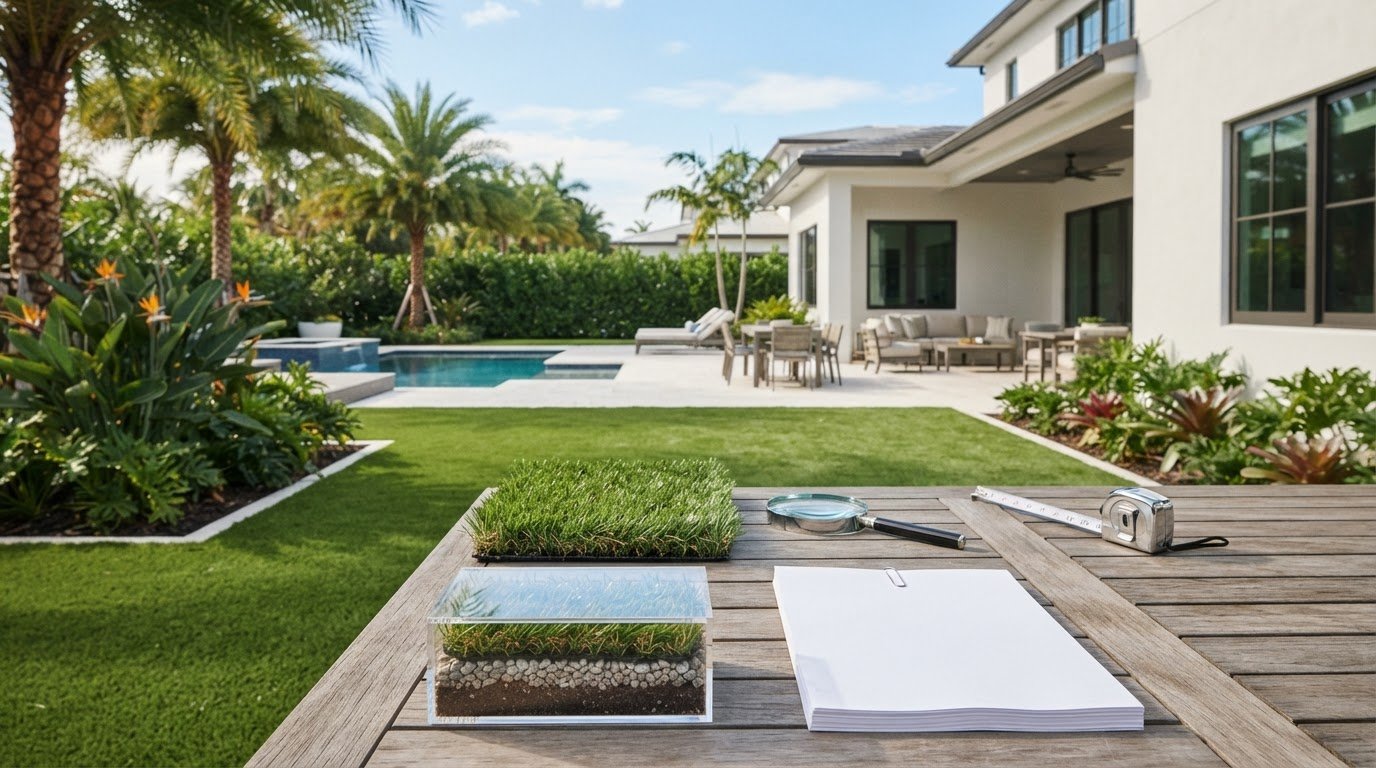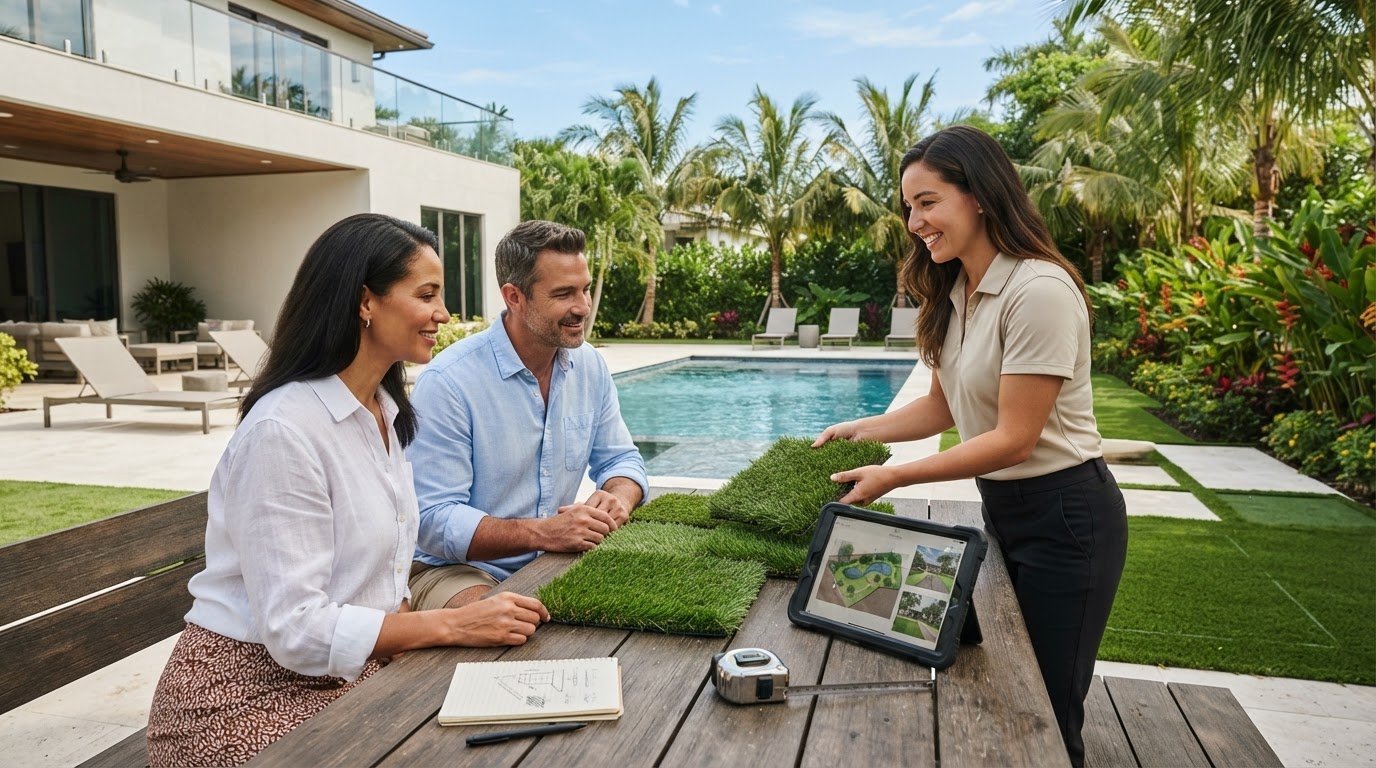
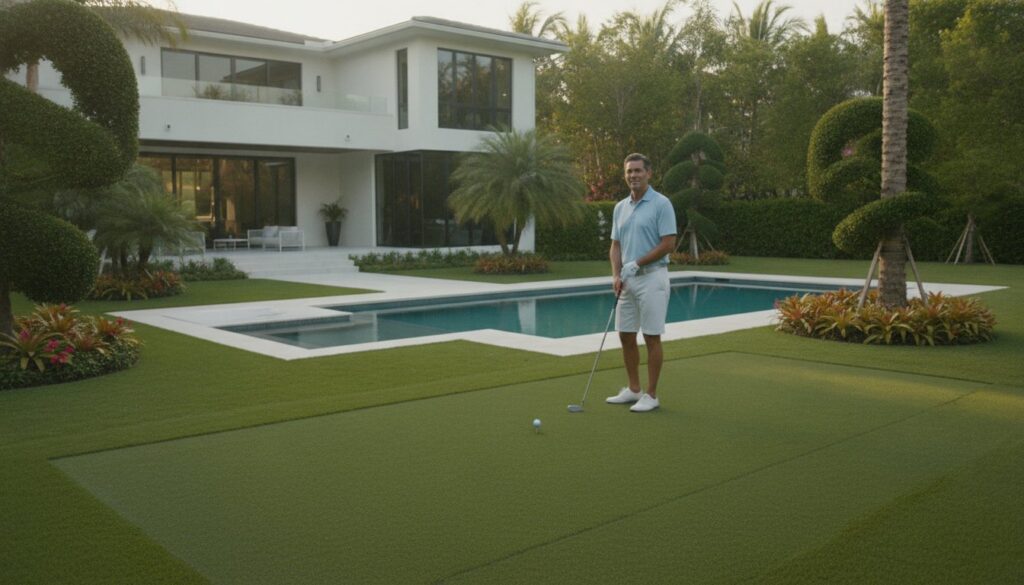
A professional backyard tee line is far more than a high-end rug pinned to the ground; it’s a sophisticated engineering project designed to withstand the relentless impact of a tour-level iron game. Many South Florida golfers find that standard portable mats eventually slide, bunch up, or fail to drain properly during our heavy afternoon downpours. You likely want a practice space that mirrors the quality of your favorite club, yet navigating the real cost to install backyard tee line systems can feel overwhelming when you’re looking for professional-grade durability rather than a temporary fix.
We understand that a true practice area should be a seamless extension of your home’s aesthetic and a reliable tool for your game. This 2026 guide breaks down the essential factors that define a premium installation, focusing on the sub-base stability and specialized turf density required for the Miami to Jupiter climate. You’ll discover how to avoid common pitfalls like standing water and rapid fiber wear while creating a PGA-caliber environment. We will walk through the technical requirements for year-round performance, ensuring your investment enhances both your handicap and your property value.
Key Takeaways
- Distinguish between temporary hitting mats and permanent, professional-grade tee lines engineered for long-term stability and high-impact iron use.
- Identify the three primary investment pillars—materials, site preparation, and professional labor—that define the total cost to install backyard tee line systems in 2026.
- Learn why heat-resilient fibers and specialized sub-base compaction are essential for maintaining a “true feel” surface in the unique South Florida climate.
- Understand the critical role of professional excavation and drainage planning in preventing common issues like surface bunching and standing water.
- Discover how to integrate custom tee lines with other high-performance athletic turf to create a cohesive, multi-functional practice environment that enhances property value.
Understanding Backyard Tee Lines: Beyond the Standard Hitting Mat
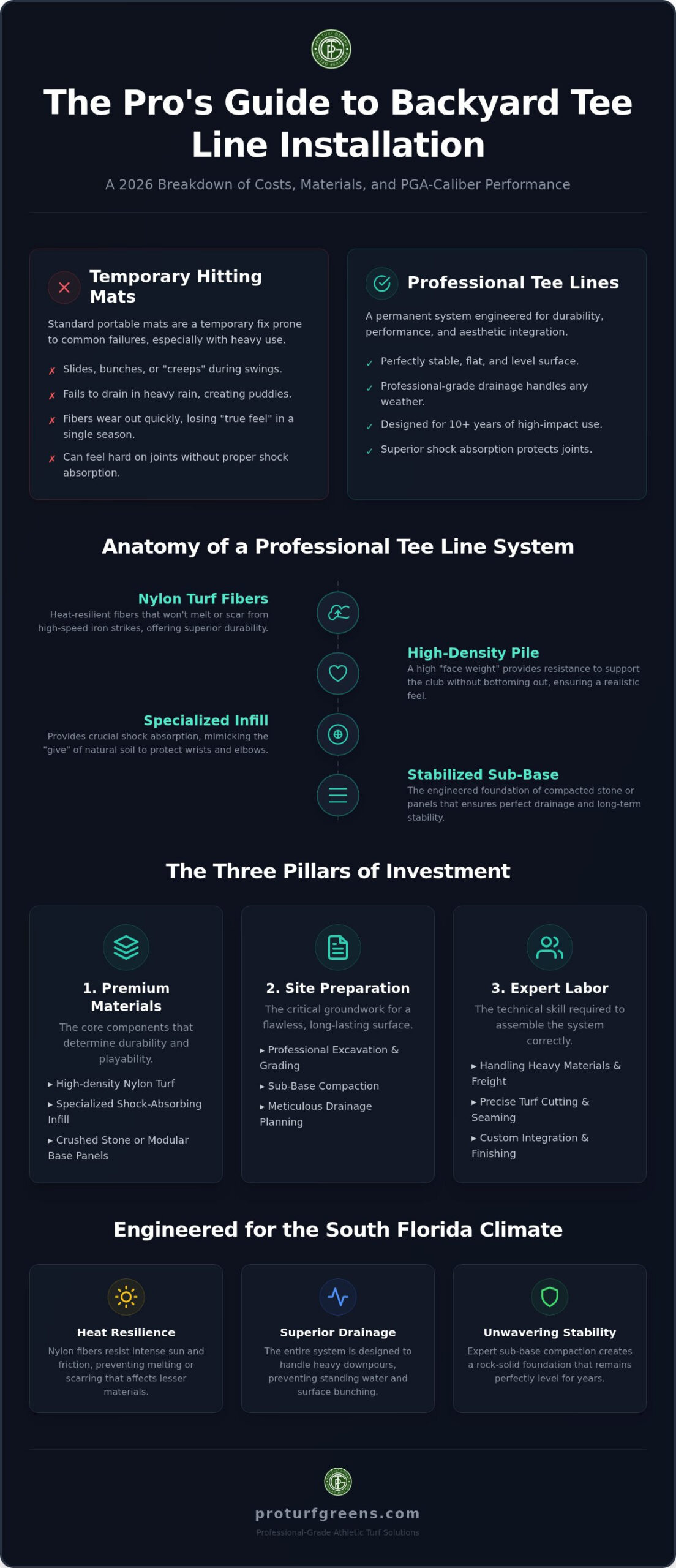
A professional tee line represents a permanent, high-density hitting surface that transforms a standard outdoor space into a specialized training facility. It’s a mistake to view this as a simple upgrade from a portable mat; instead, it’s a meticulously engineered environment designed for the repetitive, high-velocity impact of golf clubs. Standard residential artificial turf is generally built for aesthetics and light foot traffic, which makes it entirely unsuitable for iron strikes that can shred thin fibers and damage the underlying base.
Psychologically, having a dedicated practice area removes the friction of travel and setup, allowing for focused, high-repetition sessions that build genuine muscle memory. When you consider the cost to install backyard tee line systems, you’re investing in a sophisticated “system” rather than a standalone product. This comprehensive setup includes a stabilized sub-base, a resilient turf layer, and specialized infill that work together to protect your joints and provide a realistic feel that mimics the finest fairways.
The Anatomy of a Professional Tee Line
The performance of a tee line is largely determined by its face weight, which refers to the amount of material used per square yard. A higher density pile provides the necessary resistance to support the clubhead through the impact zone without bottoming out. We prioritize nylon fibers for these installations because they offer superior resilience against the heat and friction generated by heavy iron use. While polyethylene is excellent for general aesthetics, nylon won’t scar or melt under the intense pressure of a professional-speed swing. Specialized infill further enhances this system by providing shock absorption that mimics the “give” of natural soil, reducing the risk of wrist and elbow strain during long practice sessions.
Tee Lines vs. Portable Mats: A Performance Comparison
Stability is the most immediate benefit of a fixed installation. Portable mats often suffer from “mat creep,” where the surface slides or bunches during the transition, leading to inconsistent strikes and potential injury. A permanent tee line stays perfectly flat and level regardless of your swing speed or power. From an aesthetic standpoint, these professional surfaces integrate seamlessly into a custom putting green design, creating a cohesive luxury landscape rather than a cluttered yard. While the initial cost to install backyard tee line projects is higher than a retail mat, the longevity is incomparable. A professional system often lasts ten years or more, whereas a standard mat typically loses its structural integrity and “true feel” within a single season of heavy use.
Primary Cost Factors for Backyard Tee Line Installation
Calculating the investment for a professional-grade hitting area requires looking far beyond the price of the turf itself. The total cost to install backyard tee line projects is generally divided into three distinct categories: premium materials, comprehensive site preparation, and expert labor. While it’s tempting to focus solely on the surface material, the long-term performance of the installation depends heavily on the groundwork and the technical skill of the installers.
Square footage plays a significant role in your budget planning. Larger installations often benefit from economies of scale regarding labor and equipment mobilization, though the absolute material cost will naturally rise as the footprint expands. You should also account for logistical factors that aren’t always obvious at first glance. Shipping heavy, high-density nylon turf rolls and specialized infill to South Florida residential areas requires dedicated freight services and careful handling. Additionally, incorporating custom elements like branded logos or multi-color turf transitions will increase the complexity of the cut-in process and the overall material requirements.
Material Grades and Pricing Tiers
Choosing the right grade is a balance between your practice volume and your aesthetic goals. Standard commercial-grade turf is built for extreme durability in high-volume settings, while elite residential grades prioritize a “true-to-life” feel and a natural appearance that blends with your landscaping. We often evaluate the use of modular base panel systems versus traditional crushed stone bases. While panel systems may involve a higher upfront material cost, they offer superior drainage and a perfectly consistent hitting surface that adheres to industry installation guidelines. These decisions directly impact the feel of the club through the ball and the overall longevity of the system.
Long-Term ROI and Value Analysis
A professional tee line is a strategic addition to any South Florida estate. It enhances property valuation by offering a turn-key athletic amenity that appeals to the region’s active golf community. You’ll also see immediate returns through maintenance savings; there’s no need for mowing, irrigation, or the constant re-seeding required for natural grass hitting areas. A professional-grade tee line typically maintains its performance and aesthetic appeal for 8 to 12 years with proper care. If you’re ready to transform your outdoor space into a premier practice facility, our team at Pro Turf Greens can help you design a system that fits your specific training needs.
Technical Performance: Ensuring “True Feel” and Durability
Achieving a tour-level practice experience requires more than just a green surface; it demands a surface that responds accurately to every strike. The technical engineering behind the turf fibers determines whether your backyard sessions translate to the golf course. When evaluating the cost to install backyard tee line systems, the primary focus should be on how the material reacts to a descending blow. High-quality hitting surfaces are designed to penalize “fat” shots by providing realistic resistance, whereas cheaper landscape turf allows the clubhead to slide effortlessly, creating a false sense of ball-striking proficiency.
This realistic interaction is achieved through a combination of high stitch rates and dense pile heights. By choosing a system specifically engineered for iron play, you ensure the clubface interacts with the fibers exactly as it would with tightly mown fairway sod. This level of technical precision is a key differentiator in professional installations compared to retail alternatives. For more information on selecting materials that stand up to constant use, explore our guide on durable turf for high traffic.
Iron Flight and Injury Prevention
Repetitive practice on inferior surfaces often leads to “mat shock,” a common cause of wrist and elbow injuries among dedicated golfers. Professional tee lines utilize specialized shock-absorbing backing that dissipates energy upon impact. This density allows you to “hit down” on the ball with confidence, knowing the surface will remain level and supportive through thousands of swings. Maintaining this structural consistency is vital for building a repeatable swing without the fear of joint strain or surface deformation.
Weather Resistance in South Florida
The environmental demands in regions like Miami, Jupiter, and Delray Beach are unique and unforgiving. Intense UV radiation can quickly degrade standard synthetic fibers, causing them to become brittle and lose their vibrant color within a few seasons. Elite tee lines incorporate advanced UV stabilization to prevent fading under the relentless Florida sun. Salt air in coastal communities also presents a challenge, requiring materials that resist the corrosive effects of the maritime environment.
Modern hitting surfaces also prioritize thermal stability. Older synthetic models often retained excessive heat, making midday practice uncomfortable. We utilize heat-resilient fibers that stay significantly cooler, even during peak summer months. Additionally, the high-humidity climate of South Florida necessitates a system that resists mold and mildew. By ensuring superior drainage and utilizing antimicrobial properties, these installations remain hygienic and durable for the long term. This level of climate-specific engineering is a critical factor in the overall cost to install backyard tee line projects that stand the test of time. Golfers in the greater Fort Lauderdale area can explore how a specialized driving range turf installer Fort Lauderdale approaches these exact climate challenges with purpose-built synthetic technology.
The Installation Process: Site Preparation and Drainage
The execution phase is where technical engineering meets physical reality. While the surface material provides the aesthetic appeal, the underlying architecture dictates whether the area remains functional after a tropical storm. When you evaluate the cost to install backyard tee line systems, you’re primarily investing in the precision of the subsurface work. A meticulous five-step process ensures the installation remains stable and level for over a decade.
- Step 1: Excavation. We remove all existing sod and organic material to a depth of several inches. This prevents future decomposition from causing the surface to sink or become uneven.
- Step 2: Sub-base Compaction. We utilize a specific aggregate mix designed for Florida’s sandy soil. This base is compacted in layers to create a rock-solid foundation that resists shifting.
- Step 3: Drainage Integration. High-flow systems are installed to manage the rapid water accumulation typical of South Florida.
- Step 4: Precision Fitting. The turf is cut and seamed with industrial-grade adhesives. This creates a seamless look that prevents edges from lifting during heavy iron use.
- Step 5: Infill and Power Brushing. Specialized infill is applied and worked into the fibers with a power brush. This provides the necessary pile support and shock absorption for a true-to-life feel.
Addressing South Florida Drainage Challenges
Managing a two-inch-per-hour rain event requires more than simple runoff; it requires vertical drainage. We prioritize permeable base materials that allow water to pass directly through the turf and into the ground, meeting local environmental codes in cities like Boca Raton or Coral Gables. A slight pitch of 1 to 2 percent is engineered into the base to prevent pooling during our most intense tropical downpours. This proactive design ensures your practice area is ready for use minutes after the clouds clear.
Professional vs. DIY Installation
The risks of a DIY approach often outweigh the initial savings. Without industrial plate compactors and power brooms, it’s nearly impossible to achieve the density required for a stable hitting surface. Improper compaction often leads to “base divots,” where the ground beneath the turf deforms after repeated strikes. Professional labor guarantees that the driving range turf cost is a one-time investment rather than a recurring repair expense. To ensure your project meets these high standards, you can request a custom site evaluation from our specialized installation team.
Maximizing Your Investment with Pro Turf Greens
Choosing a partner for your golf project is as critical as the materials you select. At Pro Turf Greens, we specialize in high-performance environments that blend technical excellence with the aesthetic demands of South Florida estates. When you consider the total cost to install backyard tee line systems, the true value is found in the daily reliability and long-term resilience of the surface. We provide custom design services that ensure your practice area complements your existing landscape architecture while delivering a tour-quality experience that’s ready whenever you are.
Integration is a core aspect of our design philosophy. Many of our clients choose to pair their hitting areas with other sports turf solutions to create a comprehensive home training center. This multi-functional approach maximizes the utility of your property and creates a cohesive athletic space. Our team also manages the complexities of local municipal codes and permit requirements, providing peace of mind for homeowners from Coral Gables to West Palm Beach. We back every project with comprehensive warranties that cover both high-impact materials and our meticulous installation labor.
The Pro Turf Greens Advantage
We provide a white-glove service experience that begins with a detailed consultation and concludes with a rigorous final inspection. Being locally owned and operated gives us a unique perspective on the South Florida environment, from the intensity of the UV index to the specific soil composition of the coast. Our clients gain access to exclusive, high-impact turf products that aren’t available through standard retail channels. These specialized fibers are engineered specifically for the repetitive stress of professional-speed swings, ensuring your investment remains pristine for years.
Ready to Transform Your Backyard?
The journey toward a professional practice facility starts with a clear understanding of your specific goals and site conditions. During your professional consultation, we evaluate your yard’s topography, drainage needs, and existing aesthetics to provide an accurate, transparent proposal. We’ll walk you through material samples and design options that fit your personal training style and handicap goals. If you’re ready to stop settling for temporary mats and start practicing on a PGA-caliber surface, request your free backyard tee line consultation today.
Elevate Your Practice with a Professional South Florida Tee Line
A high-performance hitting area is a significant investment in both your golf game and your property value. As we’ve explored, a professional installation is a complex engineering project that prioritizes sub-base stability, advanced drainage, and fiber resilience. Understanding the real-world cost to install backyard tee line systems ensures you avoid the pitfalls of temporary mats and instead secure a facility that lasts for a decade or more. By focusing on technical precision and climate-specific materials, you create a space that mirrors the conditions of the region’s elite clubs.
Pro Turf Greens offers custom designs for high-end homes, utilizing PGA-caliber turf quality to provide the “true feel” every dedicated golfer requires. Serving all of South Florida, our team is committed to delivering a practice environment that is as beautiful as it is functional. Your ideal training facility is just a consultation away. Get a Free Backyard Tee Line Quote today and start your journey toward a more consistent game in the comfort of your own home.
Frequently Asked Questions
How much does a backyard tee line cost on average?
The total investment for your project is determined by variables like site accessibility, material density, and sub-base complexity. While individual components vary, the total cost to install backyard tee line systems reflects the engineering needed for high-impact durability and tour-level performance. We provide transparent estimates based on a comprehensive site evaluation to ensure your budget aligns with your specific training expectations.
Can I use real golf tees in a synthetic tee line?
You can use standard wooden or plastic tees directly in a professional-grade hitting surface. Unlike retail mats that require fixed rubber holders, our high-density nylon fibers allow you to place a tee anywhere on the line. This flexibility enables you to practice with every club in your bag at various heights, mirroring the versatility of a natural grass driving range.
How long does a professional tee line installation take?
A typical professional installation is usually finalized within two to four business days. The first phase involves meticulous site preparation and excavation, followed by the installation of the aggregate base and drainage systems. The final stage is dedicated to precision turf fitting, seaming, and power brushing to ensure the area is tour-ready immediately upon completion.
Will a backyard tee line get too hot in the Florida sun?
Modern synthetic hitting surfaces utilize advanced heat-resilient technology to maintain comfortable temperatures under the intense Florida sun. These specialized fibers reflect more solar radiation than traditional materials, preventing the surface from becoming uncomfortably hot during peak afternoon hours. We also recommend choosing specific infill types to further enhance the thermal stability of your practice area during the summer months.
Does artificial tee line turf require maintenance?
Maintaining a professional tee line is remarkably simple and involves only occasional brushing and debris removal. Using a power brush every few months helps redistribute the infill and keeps the high-density fibers standing upright for optimal clubhead interaction. This minimal effort preserves the “true feel” of the surface and ensures your hitting area remains resilient for years of heavy use.
Can I install a tee line over my existing concrete patio?
Installing a hitting surface over an existing concrete patio is possible with the addition of a specialized shock-absorbing drainage pad. This intermediate layer provides the necessary “give” for your joints while allowing water to flow horizontally toward the edges of the concrete. It’s an excellent solution for homeowners looking to repurpose underutilized hardscape areas into a functional, high-end training zone.
What is the best base material for a tee line in South Florida?
The most effective foundation for South Florida installations is a multi-layered, compacted aggregate base. Because our local soil is predominantly sandy, we utilize a specific blend of crushed stone and fines that lock together to prevent shifting or sinking. This stabilized base provides the consistent, level surface required for accurate feedback and prevents the “mat creep” common with DIY projects.
How does a tee line handle heavy rain and standing water?
Professional systems are engineered with high-flow vertical drainage to manage the rapid water accumulation typical of tropical weather. The turf backing and the permeable aggregate base work together to move water away from the surface at a rate that prevents pooling. This design ensures your cost to install backyard tee line projects results in a year-round facility that is playable minutes after a heavy South Florida rain.